Support our educational content for free when you purchase through links on our site. Learn more
What Are the 10 Essential Elements of Organizing an Event? 🎉 (2025)

Planning an event can feel like juggling flaming torches while riding a unicycle—exciting but nerve-wracking! Whether you’re orchestrating a corporate conference, a milestone birthday, or a community festival, knowing the core elements that make an event truly shine is your secret weapon. Did you know that nearly 80% of event professionals now rely on specialized software and detailed checklists to avoid chaos and deliver unforgettable experiences? Stick around, because we’re about to reveal not just the classic 7 elements, but 10 powerhouse pillars that will elevate your event planning game in 2025 and beyond.
From crafting a crystal-clear purpose and mastering budgeting magic, to choosing the perfect venue and assembling your dream team, this guide covers every angle. Plus, we’ll share insider tips on avoiding common pitfalls and leveraging technology to dazzle your guests. Ready to become the event planner everyone raves about? Let’s dive in!
Key Takeaways
- Define a clear event purpose and SMART objectives to guide every decision from start to finish.
- Know your target audience inside and out to tailor an experience that resonates deeply.
- Master budgeting and financial management to keep your event profitable and stress-free.
- Choose the right venue and infrastructure—indoor or outdoor—to set the perfect stage.
- Build a reliable team and hire top talent to bring your vision to life seamlessly.
- Promote smartly using multi-channel marketing and ticketing platforms like Eventbrite and Mailchimp.
- Plan for logistics, risk management, and tech integration to ensure smooth operations and safety.
- Embrace sustainability and social impact to align with modern audience values.
- Use post-event evaluation to learn and improve for your next spectacular gathering.
👉 Shop Event Planning Essentials:
- Event Management Software: Eventbrite | Cvent
- Marketing Tools: Mailchimp | Hootsuite
- Project Management: Trello | Asana
- Budgeting Software: QuickBooks | Mint
Table of Contents
- ⚡️ Quick Tips and Facts: Your Event Planning Power-Up!
- A Stroll Down Memory Lane: The Evolution of Event Planning & Management 🕰️
- The Blueprint for Brilliance: Unpacking the Core Elements of Event Organization
- The Grand Vision: Crafting Your Event’s Purpose & SMART Objectives 🎯
- Knowing Your Tribe: Deep Diving into Your Target Audience 🧑🤝🧑
- The Money Magic: Mastering Event Budgeting & Financial Management 💰
- The Perfect Stage: Venue Selection & Event Infrastructure Essentials 🏟️
- The Dream Team: Assembling Your Core People & Unleashing Talent 🤝
- Spreading the Word: Marketing, Promotion & Ticketing Strategies 📣
- Behind the Scenes Brilliance: Logistics, Operations & Vendor Coordination ⚙️
- Safety First, Fun Always: Risk Management & Contingency Planning 🚨
- The Tech Touch: Integrating Technology for Seamless Event Experiences 💻
- Green & Grand: Embracing Event Sustainability & Social Impact 🌱
- Dodging Disaster: How to Avoid Common Event-Hosting Blunders 🚫
- The Afterglow: Post-Event Evaluation & Follow-Up for Future Success ✨
- Conclusion 🎉
- Recommended Links 🔗
- Frequently Asked Questions (FAQ) ❓
- Reference Links 📚
Body
Alright party people, let’s pull back the velvet rope! You’re wondering what it really takes to throw an event that has people talking for all the right reasons. Is it just a matter of booking a DJ and ordering a few pizzas? ❌ As the seasoned pros at Party Plan Checklist™, we can tell you it’s a magnificent, multi-layered cake of strategy, creativity, and meticulous planning.
Forget what you think you know. We’re about to spill the tea on the essential elements that transform a simple get-together into a blockbuster event. Whether you’re planning a massive corporate conference or an intimate backyard birthday bash, these principles are your golden ticket. Ready to become an event-planning rockstar? Let’s dive in!
⚡️ Quick Tips and Facts: Your Event Planning Power-Up!
Before we get into the nitty-gritty, here are some juicy tidbits to get your planning gears turning:
- The Industry is Booming: The global events market is projected to hit a staggering $1.35 trillion in 2025! That’s not just a party; it’s a global phenomenon. Your event is part of a massive, thriving industry.
- In-Person is King: Despite the digital boom, live events still account for a whopping 60% of event revenue. People crave connection, and nothing beats the energy of a live experience.
- Tech is Your Best Friend: Get this—79% of event professionals now use an Event Management System (EMS) to streamline their planning. Sticking to manual spreadsheets is, as one source puts it, “now malpractice.”
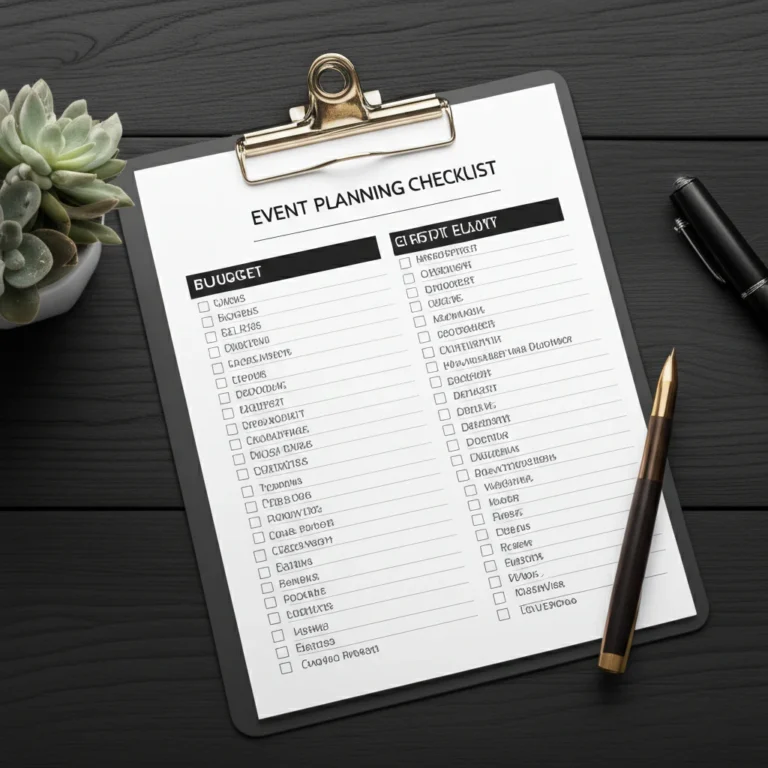
- Checklists are Non-Negotiable: The secret to a flawless event isn’t magic; it’s organization. A detailed checklist is your most powerful weapon. For a masterclass in execution, you’ll want to see our guide on How Do I Run an Event Checklist? 21 Steps to Event Success (2025) 🎉.
A Stroll Down Memory Lane: The Evolution of Event Planning & Management 🕰️
Ever wonder when the first “event planner” got their start? While the official job title is relatively modern, the act of organizing gatherings is as old as civilization itself. Think of the ancient Romans orchestrating gladiatorial games or Egyptian pharaohs like Cleopatra hosting lavish parties to woo potential lovers. These weren’t just casual get-togethers; they were meticulously planned productions requiring logistics, crowd control, and a flair for the dramatic.
Fast forward through medieval feasts and Renaissance banquets, and you land at the Industrial Revolution, which sparked the need for large-scale trade shows and exhibitions. With the advent of better transportation, events went from local affairs to international spectacles. The 20th century professionalized the field, but the core remains the same: bringing people together for a shared purpose and an unforgettable experience. Today, we just have better tech than the Romans did!
The Blueprint for Brilliance: Unpacking the Core Elements of Event Organization
So, you want the secret sauce? While some articles talk about 7 elements, we believe in going above and beyond. Here are the 10 foundational pillars we at Party Plan Checklist™ swear by for orchestrating any successful event.
For those of you who are visual learners, the embedded video, “The 7 Elements of Event Management (Part 1)” by Ajoke Akinola, offers a great starting point on this topic.
1. The Grand Vision: Crafting Your Event’s Purpose & SMART Objectives 🎯
Before you pick out a single napkin, you need to answer the big “WHY?” What is the fundamental purpose of this event? Is it to generate leads, celebrate a milestone, raise brand awareness, or simply to throw the most epic Birthday Party Checklist-worthy bash ever?
This is what the pros at Ovation Square call the “Core Concept,” which “provides meaning and an underlying ethos to an event.” Without a clear “why,” your event is just a ship without a rudder.
Once you have your “why,” it’s time to get SMART:
- Specific: What exactly do you want to achieve? “Increase brand awareness” is vague. “Gain 500 new social media followers from the event” is specific.
- Measurable: How will you track success? Define your Key Performance Indicators (KPIs) upfront.
- Attainable: Be ambitious, but realistic. Setting an unattainable goal can demotivate your team.
- Relevant: Does this goal align with your broader objectives?
- Time-bound: Set clear deadlines. “Increase ticket sales by 20% within the next three months.”
This framework is crucial for all types of events, but especially for Corporate Event Planning, where ROI is king.
2. Knowing Your Tribe: Deep Diving into Your Target Audience 🧑🤝🧑
Who is this party for? You can’t design a memorable experience if you don’t know who you’re designing it for. As PowerTextor notes, the target audience should be identified early as it helps define your objectives. This group is your North Star, influencing everything from the venue and theme to the marketing and entertainment.
To truly understand them, create audience personas. These are semi-fictional characters based on research that represent your ideal attendee. Give them a name, a job, and a story.
- Demographics: Age, location, job title.
- Goals: What do they hope to get out of your event? (e.g., networking, learning, entertainment).
- Pain Points: What challenges do they face that your event can solve?
- Watering Holes: Where do they hang out online? (e.g., LinkedIn, Instagram, specific blogs). This is key for your marketing later!
As one source wisely states, “It is crucial to organize your event thoughtfully so that their requirements and expectations match the goal of the event; otherwise, you won’t be able to see the excitement of being there in your event.”
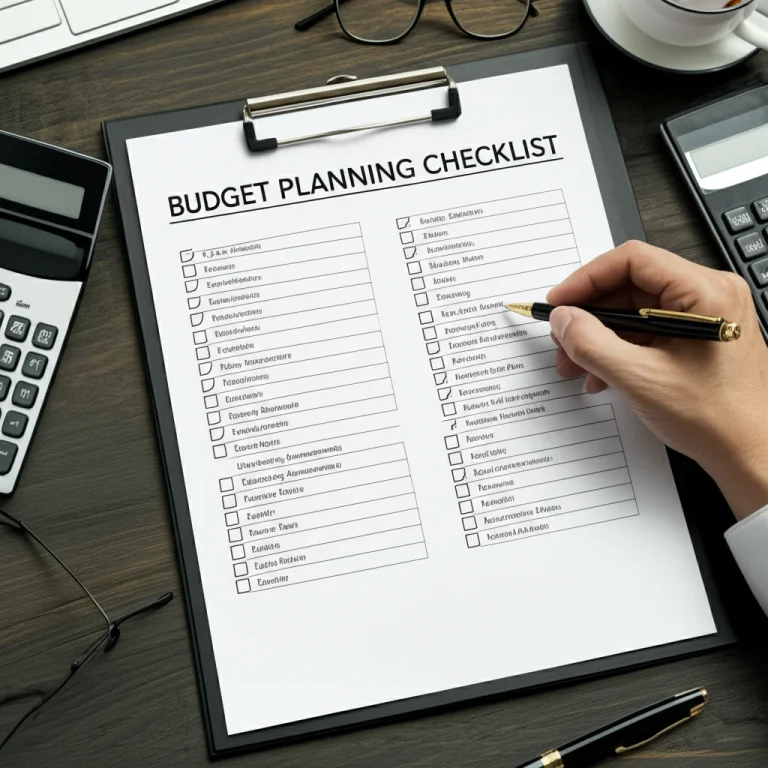
3. The Money Magic: Mastering Event Budgeting & Financial Management 💰
Ah, the budget. Not the sexiest part of event planning, but arguably the most critical. Without a solid financial plan, your grand vision can crumble faster than a stale cookie. As the experts at Vocal.media state, budgeting is “essential for financial control and profitability.” Your budget dictates the scope of your event and every decision you make.
Key Budgeting Steps:
- Estimate All Expenses: Brainstorm every possible cost. Be exhaustive! Think venue, catering, staff, marketing, insurance, A/V equipment, decor, and always, always a contingency fund (10-15% of the total budget) for those delightful little surprises.
- Identify Income Streams: Where is the money coming from? Ticket sales, sponsorships, merchandise, vendor fees?
- Track Everything: Use software to keep a running tally of expenses versus your budget. This is where a good Budget Party Planning strategy comes in handy.
Pro-Tip: Don’t be afraid to negotiate with vendors! There’s often wiggle room, especially if you’re flexible with dates or can offer them good exposure.
Helpful Tools:
For managing your event finances, consider using software like QuickBooks for comprehensive accounting or apps like Mint for simpler budget tracking. Specialized event budgeting software from providers like Cvent or Eventify can also offer tailored solutions.
4. The Perfect Stage: Venue Selection & Event Infrastructure Essentials 🏟️
Your venue is more than just a location; it’s the physical container for your entire event experience. The right venue sets the mood, enhances your theme, and provides the necessary infrastructure. When it comes to Event Venue Selection, you need to consider:
- Capacity: How many people can it comfortably and safely hold?
- Location & Accessibility: Is it easy to get to? Is there ample parking or public transport access?
- Ambiance: Does the venue’s “vibe” match your event’s core concept?
- Amenities: Does it have the essentials like restrooms, A/V equipment, a kitchen, and Wi-Fi?
- Cost: Does it fit within your budget?
Where to Look for Venues:
Platforms like Peerspace, The Bash, and EVENTup are fantastic resources for discovering and booking unique spaces. For corporate events, Cvent and Kapow offer robust search tools.
Indoor vs. Outdoor: Choosing Your Event’s Perfect Playground 🏡🌳
The choice between an indoor and outdoor venue can dramatically change your event. Here’s a quick breakdown to help you decide:
| Feature | ✅ Indoor Venues | ❌ Outdoor Venues |
|---|---|---|
| Weather-Proof | You’re safe from rain, wind, and extreme temperatures. Climate control is your friend! | You’re at the mercy of Mother Nature. A contingency plan (like a tent) is a must. |
| Infrastructure | Built-in power, restrooms, lighting, and kitchens are standard. | Often a blank slate. You may need to rent generators, portable toilets, and lighting. |
| Ambiance | Can be transformed with decor, but you’re limited by the existing architecture. | Offers natural beauty and a sense of freedom. Perfect for festivals, picnics, and rustic weddings. |
| Logistics | Fewer logistical hurdles. Everything is contained in one space. | Can be more complex, involving permits, ground stability checks, and more vendor coordination. |
| Best For | Conferences, formal dinners, trade shows, art exhibits. | Concerts, festivals, weddings, company picnics, team-building activities. |
5. The Dream Team: Assembling Your Core People & Unleashing Talent 🤝
No event planner is an island. You need a reliable team to bring your vision to life. This includes your internal staff, volunteers, and, crucially, your vendors. Vocal.media highlights staffing as a critical element, emphasizing the need to “recruit, train, and manage event staff.”
- Core People: These are the individuals who will interact with your audience—performers, speakers, hosts, or brand ambassadors. Ovation Square notes that these people should “represent the brand and match the desired energy and aesthetic.”
- Core Talent: This refers to the main attraction that draws your audience, whether it’s a keynote speaker, a famous band, or a renowned chef.
- Vendors: Your caterers, photographers, A/V technicians, and security are all part of your team. Hire the right vendors by researching them thoroughly, reading reviews, and checking references. Get everything in writing with detailed contracts.
6. Spreading the Word: Marketing, Promotion & Ticketing Strategies 📣
You could plan the most incredible event in history, but if no one knows about it, did it even happen? Marketing and promotion are essential for creating buzz and driving attendance. A multi-channel approach is usually best.
Your Marketing Toolkit:
- Social Media: Create a unique hashtag and share behind-the-scenes content on platforms like Instagram and Facebook.
- Email Marketing: Build an email list and send out regular updates, early-bird offers, and sneak peeks. Tools like Mailchimp make this easy.
- Content Marketing: Write blog posts or create videos related to your event’s theme to provide value and establish credibility.
- Ticketing: Use a reliable platform for registration and ticket sales. Eventbrite is a popular choice for its ease of use and promotional tools.
- SMS Marketing: As the team at PowerTextor suggests, SMS can be a powerful tool for sending reminders and boosting attendance.
7. Behind the Scenes Brilliance: Logistics, Operations & Vendor Coordination ⚙️
Logistics is the invisible framework that makes your event run smoothly. It’s the “how” behind the “what”—the detailed coordination of every single task. This is where you create a master plan or run-of-show document that outlines the timeline for everything, from setup to teardown.
Project management tools are a lifesaver here. They help you create timelines, assign tasks, and ensure nothing falls through the cracks.
👉 Shop Project Management Tools on:
- Trello: Amazon | Official Website
- Asana: Amazon | Official Website
8. Safety First, Fun Always: Risk Management & Contingency Planning 🚨
What could go wrong? It’s not a pessimistic question; it’s a strategic one. A thorough risk management plan identifies potential issues and outlines how you’ll handle them. This could include everything from bad weather and technical failures to a medical emergency or a vendor no-show.
✅ Always have a Plan B. For an outdoor event, what’s your rain plan? If a speaker cancels, do you have a backup? Having a contingency plan for emergencies is a key element of managing the event on the day.
9. The Tech Touch: Integrating Technology for Seamless Event Experiences 💻
Technology has revolutionized the event industry. The event tech market is massive and growing, expected to reach over $107 billion by 2037. Leveraging the right tech can elevate your event from good to unforgettable.
- Event Management Software: Platforms like the ones in our Event Management Software category can centralize everything from registration to post-event analytics.
- Event Apps: A dedicated app can provide attendees with schedules, maps, speaker bios, and networking opportunities right on their phones.
- Interactive Tech: Think live polling, Q&A sessions via an app, or even virtual reality experiences to boost engagement.
10. Green & Grand: Embracing Event Sustainability & Social Impact 🌱
Modern audiences, especially younger generations, care about a brand’s environmental and social impact. A sustainable event isn’t just good for the planet; it’s good for your brand.
Simple Steps to a Greener Event:
- Go Digital: Reduce paper waste with digital invitations, agendas, and tickets.
- Choose a Green Venue: Look for venues with sustainability certifications or practices.
- Sustainable Sourcing: Work with local caterers who use seasonal ingredients. Donate leftover food.
- Reduce, Reuse, Recycle: Provide clearly marked bins for recycling and composting. Avoid single-use plastics.
- Ethical Swag: If you’re giving away items, choose products that are useful, eco-friendly, or from ethical sources.
Dodging Disaster: How to Avoid Common Event-Hosting Blunders 🚫
We’ve seen it all at Party Plan Checklist™. Here are some of the most common tripwires and how you can leap gracefully over them:
- ❌ Ignoring the Budget: Running out of money mid-project is a nightmare.
- ✅ The Fix: Create a detailed budget from day one and track every single penny. Use that contingency fund!
- ❌ Failing to Understand the Audience: Planning an event for yourself instead of your guests.
- ✅ The Fix: Build those audience personas and let them guide every decision you make.
- ❌ Not Having a Contingency Plan: Assuming everything will go perfectly. (Spoiler: it won’t.)
- ✅ The Fix: Brainstorm potential risks and create a solid Plan B, C, and D.
- ❌ Poor Communication: Keeping your team, vendors, and attendees in the dark.
- ✅ The Fix: Establish clear communication channels and a regular schedule for updates. Over-communicate!
- ❌ Forgetting to Promote: Planning a fantastic event that nobody attends.
- ✅ The Fix: Start your marketing efforts early and use a variety of channels to create sustained buzz.
The Afterglow: Post-Event Evaluation & Follow-Up for Future Success ✨
The party’s over, but your job isn’t done! The evaluation phase is where you turn this event into an investment for the next one. As Vocal.media points out, this process “assesses event success and identifies areas for improvement.”
How to Gather Feedback:
- Send a Post-Event Survey: This is your most valuable tool. Ask attendees, sponsors, and even your staff what they thought. Keep it short and sweet to encourage responses. Ask about everything from the check-in process to the quality of the speakers.
- Analyze the Data: Did you meet your SMART goals? Look at ticket sales, attendance numbers, social media engagement, and any other KPIs you set.
- Review the Budget: How did your actual spending compare to your projections? Where can you save money next time?
- Hold a Team Debrief: Get your team together to discuss what went well and what could be improved.
Pro-Tip: Use tools like SurveyMonkey or Google Forms to easily create and distribute your feedback surveys. They provide excellent analytics to help you understand the responses.
👉 Shop Survey Tools:
- SurveyMonkey: Official Website
- Google Forms: Official Website
Conclusion 🎉
And there you have it — the ultimate playbook for mastering the art and science of event organization! From defining your grand vision to assembling your dream team, from budgeting like a pro to choosing the perfect venue, and from marketing magic to post-event evaluation, these 10 core elements form the backbone of every successful event.
Remember, the secret isn’t just in doing these steps but doing them well and thoughtfully. As we teased earlier, the question isn’t just what to do but how to do it so your guests leave with memories, not mishaps. The good news? With a solid plan, a passionate team, and the right tools, you’re well on your way to throwing an event that’s talked about for years to come.
If you take one thing away from this, let it be this: organization is your superpower. Use checklists, timelines, and technology to keep chaos at bay. And don’t forget to enjoy the process — after all, a great event planner knows how to party and plan!
Recommended Links 🔗
Ready to gear up for your next event? Here are some of our top picks for tools and resources mentioned in this guide:
-
Eventbrite (Ticketing & Registration):
Amazon | Official Website -
Mailchimp (Email Marketing):
Amazon | Official Website -
QuickBooks (Budgeting & Accounting):
Amazon | Official Website -
Trello (Project Management):
Amazon | Official Website -
SurveyMonkey (Post-Event Surveys):
Official Website -
Peerspace (Venue Booking):
Official Website -
Books to Level Up Your Event Planning:
Frequently Asked Questions (FAQ) ❓
How do I create a timeline for my event planning process?
Creating a timeline is about breaking down your event into manageable phases and setting deadlines for each task. Start by working backward from your event date. Identify major milestones such as venue booking, vendor contracts, marketing launch, ticket sales, and final rehearsals. Assign realistic deadlines to each and build in buffer time for unexpected delays. Tools like Trello or Asana can help you visualize and track progress. A well-structured timeline keeps your team accountable and ensures nothing gets overlooked.
What are the most important details to consider when organizing a party or event?
While every event is unique, some details are universally critical:
- Purpose and Objectives: Know why you’re hosting and what success looks like.
- Audience: Understand who your guests are and what they expect.
- Budget: Define your financial limits and allocate funds wisely.
- Venue: Choose a location that fits your event’s size, style, and logistics.
- Vendors and Staff: Hire reliable partners and train your team.
- Marketing: Promote effectively to attract the right crowd.
- Logistics: Plan for setup, equipment, transportation, and contingency.
- Safety: Prepare for emergencies and ensure compliance with regulations.
Neglecting any of these can lead to chaos, so give each the attention it deserves.
What is the typical order of operations for planning a successful event from start to finish?
A typical event planning workflow looks like this:
- Define Objectives & Audience
- Set Budget
- Choose Date & Venue
- Book Vendors & Staff
- Develop Marketing & Promotion Plan
- Launch Ticket Sales / Invitations
- Manage Logistics & Operations
- Execute Event
- Conduct Post-Event Evaluation & Follow-Up
Following this sequence helps maintain clarity and momentum, reducing last-minute surprises.
What tools or checklists can I use to stay organized and ensure every aspect of my event is covered?
Checklists are your best friend! They help you track tasks, deadlines, and responsibilities. At Party Plan Checklist™, we offer comprehensive checklists tailored for different event types, including corporate events, birthday parties, and budget-friendly gatherings.
For digital tools, consider:
- Event Management Software: Cvent, Eventbrite, Eventify
- Project Management: Trello, Asana, Monday.com
- Budgeting: QuickBooks, Mint
- Marketing: Mailchimp, Hootsuite
- Surveys: SurveyMonkey, Google Forms
Using these tools in combination with a detailed checklist ensures no detail slips through the cracks.
Reference Links 📚
- Ovation Square: What Are the 7 Key Elements of Event Management
- Vocal.Media: Seven Elements of Event Management
- PowerTextor: 7 Key Elements of Effective Event Planning & Budgeting
- Eventbrite: Official Website
- Mailchimp: Official Website
- QuickBooks: Official Website
- Trello: Official Website
- SurveyMonkey: Official Website
- Peerspace: Official Website
Ready to turn your next event from a dream into a dazzling reality? Bookmark this guide, grab your checklist, and let’s get planning! 🎉