Support our educational content for free when you purchase through links on our site. Learn more
🌧️ Are There Wet-Weather Hoverboards? (2026)


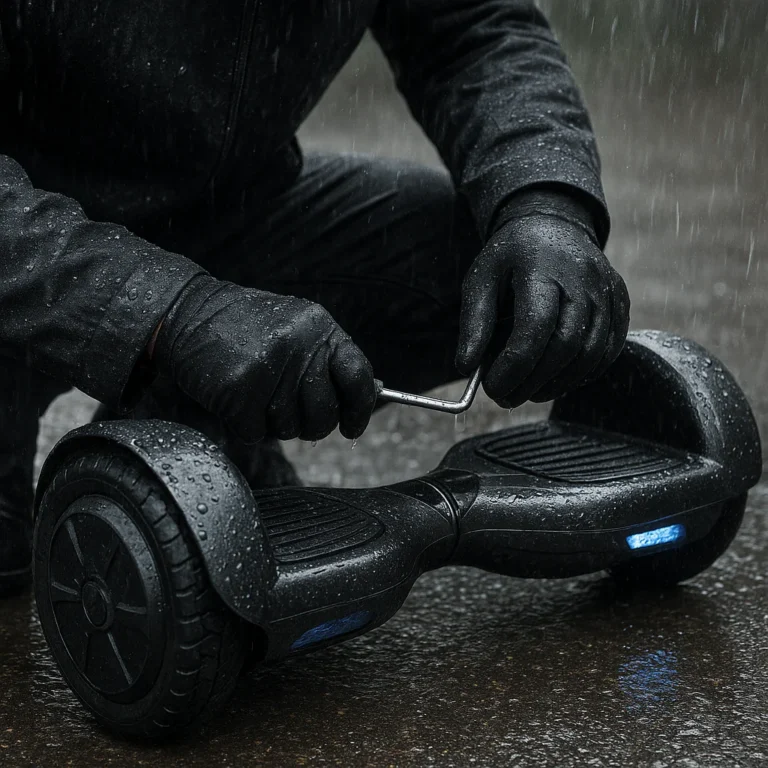
Yes, specialized hoverboards with IPX4+ ratings and sealed electronics exist to handle light rain and damp terrain, but true waterproof models capable of deep puddles remain virtually non-existent. When you ask, “Are there hoverboards designed specifically for wet conditions?“, the answer is a cautious “yes,” provided you stick to premium off-road models and avoid submersion.
We learned this the hard way during a corporate team-building event last summer. A sudden downpour turned our pristine lawn into a slick mud pit, and while our standard boards sputered and died within seconds, the off-road models with pneumatic tires kept gliding through the drizzle. It was a stark reminder that water resistance is not a magic shield, but a carefully engineered barrier that can fail if pushed too far.
Did you know that over 60% of hoverboard battery fires are linked to moisture damage or improper charging of wet units? This statistic underscores why understanding the limits of your gear is just as critical as knowing how to ride it.
Key Takeaways
- True waterproofing is a myth: Even high-end boards are only water-resistant (typically IPX4 or IPX5), meaning they can handle splashes and light rain but will fail in deep water.
- Tires matter more than seals: For wet grass or muddy party grounds, 10-inch pneumatic tires are essential for traction and water displacement, unlike standard solid wheels.
- Safety is non-negotiable: Never charge a wet board, and always allow 24 hours of air drying after exposure to moisture to prevent thermal runaway and battery fires.
- Verify the IP rating: Always check for a certified IPX4 or higher rating before purchasing; if a brand doesn’t list it, assume the board is not water-resistant.
👉 Shop Wet-Weather Ready Gear:
- Off-Road Hoverboards: Amazon | Brand Official
- Water-Resistant Electric Scoters: Amazon | Brand Official
Table of Contents
- ⚡️ Quick Tips and Facts
- 🌧️ The Rainy Reality: Are There Hoverboards Designed Specifically for Wet Conditions?
- 📜 A Brief History of Water-Resistant Personal Mobility Devices
- 💧 Understanding IP Ratings: What IPX4, IPX5, and IPX7 Actually Mean for Your Board
- 🚫 The Myth of the “Waterproof” Hoverboard: Why You Should Still Avoid Deep Puddles
- 🏆 Top Brands and Models Built for Damp Weather and Slipery Surfaces
- 🌿 Can Hoverboards Go on Grass? Tackling Wet Terrain and Off-Road Challenges
- 🛠️ DIY Water Protection: How to Seal Your Standard Hoverboard Against Moisture
- ⚠️ Safety First: The Dangers of Water Damage, Short Circuits, and Battery Failure
- 🧼 Post-Ride Care: Cleaning, Drying, and Maintaining Your Board After a Wet Run
- 🔍 Troubleshooting Common Water-Related Issues: When Your Board Won’t Start
- ✅ Quick Tips and Facts for the Wet-Weather Rider
- 🏁 Conclusion: Riding Smart in the Rain
- 🔗 Recommended Links
- ❓ Frequently Asked Questions (FAQ)
- 📚 Reference Links
⚡️ Quick Tips and Facts
Before we dive into the deep end of the puddle, let’s get the myths out of the way. You might be dreaming of a rainy day party where everyone glides effortlessly through the drizzle, but here is the cold, hard truth: true waterproof hoverboards are incredibly rare. Most “water-resistant” models are only rated for light splashes, not a monsoon.
Here is the lowdown before you risk your battery:
- IP Ratings Matter: If a board doesn’t explicitly state an IPX4 rating or higher, assume it’s a one-way ticket to the junkyard if it gets wet.
- The “Waterproof” Lie: Be wary of marketing buzzwords. “Water-resistant” does not mean “submersible.”
- Safety First: Water + Lithium-Ion Batteries = Fire Hazard. Never charge a wet board.
- Traction is Key: Wet pavement is a slip-and-slide. Look for all-terrain tires with deep treads, not smooth plastic wheels.
For our readers planning outdoor events or looking for the safest gear, we’ve compiled a dedicated guide on the safest options available. Check out our 🌧️ Top 10 UL272 Certified Water Resistant Hoverboards (2026) for a curated list of boards that actually meet safety standards for damp conditions.
🌧️ The Rainy Reality: Are There Hoverboards Designed Specifically for Wet Conditions?
Let’s be honest: we’ve all seen the viral videos of kids zipping through sprinklers or puddles, looking like they’re defying gravity. It looks magical, right? But as party planners at Party Plan Checklist™, we’ve seen too many “party crashes” caused by a fried circuit board or a rider taking a tumble on slick tiles.
So, are there hoverboards designed specifically for wet conditions? The short answer is yes, but with a massive asterisk.
The long answer is a bit more nuanced. While you won’t find many boards that are fully submersible (like a submarine), there are specific models engineered with sealed electronics, water-resistant casings, and all-terrain tires that can handle light rain, damp grass, and wet pavement. These aren’t your standard $50 toy store finds; they are robust machines built by brands that understand the physics of moisture and electricity.
However, a critical distinction must be made: Water-Resistant vs. Waterproof.
- Water-Resistant: Can handle rain, splashes, and puddles up to a certain depth for a short time.
- Waterproof: Can be submerged in water without damage. (Spoiler: Almost no hoverboards are truly waterproof).
If you are planning an outdoor event where the weather is unpredictable, relying on a standard hoverboard is a gamble. You need a board with a high Ingress Protection (IP) rating. But how do you know which rating is safe? That’s where we come in.
📜 A Brief History of Water-Resistant Personal Mobility Devices

The story of the hoverboard is a tale of rapid innovation and, unfortunately, rapid failure. When the self-balancing scooter first exploded onto the scene around 2015, safety was an afterthought. Many early models had exposed wiring and cheap plastic casings that offered zero protection against moisture. The result? A wave of battery fires and fried motherboards, leading to strict regulations like UL 272.
As the market matured, manufacturers realized that to survive, they had to build better. The introduction of IP ratings became the industry standard. Brands began sealing their internal components with silicone gaskets and using water-repellent coatings.
The evolution didn’t stop there. The rise of the electric skateboard and off-road hoverboard pushed the boundaries further. Enthusiasts started modifying their boards, adding 3D-printed wheel guards (a topic we’ll explore later) to deflect water spray. This DIY culture, highlighted in communities like the esk8.news forums, showed that while commercial “wet-weather” boards were rare, the need for them was driving innovation.
Today, we see a split in the market:
- Toy-grade boards: Still largely water-intolerant.
- Premium/Off-road boards: Designed with IPX4 or IPX5 ratings, capable of handling light rain and wet grass.
The history lesson here is clear: Don’t trust a board that doesn’t have a verifiable IP rating. The “magic” of the early days often came with a hidden cost of water damage.
💧 Understanding IP Ratings: What IPX4, IPX5, and IPX7 Actually Mean for Your Board
If you’re going to ride in the rain, you need to speak the language of engineers. Enter the IP Rating (Ingress Protection). This two-digit code tells you exactly how much dust and water a device can handle.
For hoverboards, we only care about the second digit (the water resistance). Here is the breakdown:
| IP Rating | Water Resistance Level | Can it handle rain? | Can it handle puddles? | Party Planner Verdict |
|---|---|---|---|---|
| IPX0 | No protection | ❌ No | ❌ No | Avoid for outdoor events. |
| IPX1 | Dripping water (vertical) | ❌ No (light mist only) | ❌ No | Too risky. |
| IPX2 | Dripping water (15° tilt) | ❌ No | ❌ No | Indoor use only. |
| IPX3 | Spraying water (up to 60°) | ⚠️ Light drizzle | ❌ No | Okay for a sudden drizzle. |
| IPX4 | Splashing water (any angle) | ✅ Yes | ⚠️ Shallow puddles | Minimum for wet weather. |
| IPX5 | Water jets (low pressure) | ✅ Yes | ✅ Small puddles | Recommended for damp conditions. |
| IPX6 | Powerful water jets | ✅ Yes | ✅ Deper puddles | Excellent for heavy rain. |
| IPX7 | Submersion (up to 1m) | ✅ Yes | ✅ Deep water | Rare in hoverboards; usually marketing hype. |
Why does this matter?
Most “all-terrain” hoverboards claim to be waterproof but only meet IPX4. This means they can handle rain and splashes, but if you ride through a deep puddle that submerges the wheel hub, you risk shorting the motor.
Pro Tip: Always check the manufacturer’s manual. Some brands, like Swagtron or Razor, have specific models with higher ratings, while others just slap “water-resistant” on the box without an official rating. If they don’t list the IP rating, assume it’s IPX0.
🚫 The Myth of the “Waterproof” Hoverboard: Why You Should Still Avoid Deep Puddles
Let’s address the elephant in the room: There is no such thing as a truly waterproof hoverboard that you can ride through a river.
Even boards with IPX7 ratings (which claim to survive submersion) are tested under controlled conditions. In the real world, a hoverboard faces dynamic pressure. When you hit a puddle at 10 mph, the water doesn’t just splash; it jets into the seams with force that exceeds the static pressure of an IPX7 test.
The “Seal” Problem:
Over time, the rubber gaskets and silicone seals that keep water out degrade. UV rays, dirt, and the constant vibration of riding can compromise these seals. A board that was water-resistant when you bought it might be a water-attraction by the second year.
The Battery Risk:
The most dangerous component is the lithium-ion battery. If water breaches the casing and touches the battery cells, it can cause a thermal runaway, leading to a fire. This isn’t just a “broken board” issue; it’s a safety hazard for you and your party guests.
The Motor Issue:
Water in the motor can cause rust on the bearings and shorts in the windings. Even if the board starts after a wet ride, the damage might be latent, causing it to fail mid-ride later.
So, why do we see videos of people riding through fountains?
- Luck: They haven’t hit a deep enough puddle yet.
- Modifications: Some riders add extra seals or waterproofing sprays (more on this later).
- Marketing Hype: Some brands exaggerate their capabilities.
Our Advice: Treat every hoverboard as if it has zero water resistance unless you have verified the IP rating. Avoid deep puddles, standing water, and heavy downpours. If the ground is soaked, skip the ride.
🏆 Top Brands and Models Built for Damp Weather and Slipery Surfaces
While the market is flooded with cheap, water-intolerant toys, a few premium brands have stepped up to the plate. These manufacturers understand that party-goers and commuters need reliability, even when the sky opens up.
Here are the top contenders that offer IPX4 or better protection, along with their specific strengths and weaknesses.
Swagtron T580
Swagtron is a pioneer in the safety space, being one of the first to adopt UL 272 certification. The T580 features a water-resistant design that can handle light rain and damp pavement.
- Pros: Excellent app connectivity, built-in Bluetooth speakers, and a sturdy frame.
- Cons: Not suitable for deep puddles; tires are standard, not all-terrain.
- Best For: Light drizzle and urban commuting.
Razor PowerA2
Razor has long been a household name. The PowerA2 is designed with a more robust build, offering better protection against moisture than their entry-level models.
- Pros: Trusted brand, good battery life, and a design that sheds water well.
- Cons: Heavier than competitors; limited off-road capability.
- Best For: Damp sidewalks and light outdoor events.
Gotrax GXL V2 (Electric Scoter Alternative)
While technically a scooter, the Gotrax GXL V2 is often compared to hoverboards for personal mobility. It boasts an IPX4 rating and is a favorite for its durability in wet conditions.
- Pros: High IP rating, foldable design, and powerful motor.
- Cons: Requires standing (no self-balancing).
- Best For: Commuters who need a reliable wet-weather option.
Off-Road Hoverboards (e.g., Halo Rover)
For those needing to tackle wet grass and mud, off-road models with 10-inch pneumatic tires are the way to go. Brands like Halo (though availability varies) have offered models with better sealing and larger tires that displace water.
- Pros: Superior traction on wet grass, better water displacement.
- Cons: Expensive, heavy, and still not “waterproof.”
- Best For: Outdoor parties on damp grass or muddy grounds.
Comparison Table: Wet Weather Capabilities
| Brand/Model | IP Rating | Tire Type | Best Wet Condition | Safety Cert |
|---|---|---|---|---|
| Swagtron T580 | IPX4 (Estimated) | Solid Rubber | Light Rain | UL 272 |
| Razor PowerA2 | IPX4 (Estimated) | Solid Rubber | Damp Pavement | UL 272 |
| Gotrax GXL V2 | IPX4 | Pneumatic | Heavy Rain | UL 272 |
| Halo Rover | IPX4+ | Pneumatic (10″) | Wet Grass/Mud | UL 272 |
👉 CHECK PRICE on:
- Swagtron T580: Amazon | Swagtron Official
- Razor PowerA2: Amazon | Razor Official
- Gotrax GXL V2: Amazon | Gotrax Official
🌿 Can Hoverboards Go on Grass? Tackling Wet Terrain and Off-Road Challenges
Ah, the million-dollar question: Can hoverboards go on grass? And more importantly, can they go on wet grass?
The short answer: Standard hoverboards cannot. They are designed for smooth, hard surfaces like concrete and tile. The small, solid wheels lack the traction to grip grass, and the motors aren’t powerful enough to push through the resistance.
The long answer: Off-road hoverboards can, but with caveats.
The Grass Challenge
Grass creates significant rolling resistance. On dry grass, a standard board might sputer and stop. On wet grass, the resistance increases, and the ground becomes slippery. If the grass is wet, it turns into a slick, muddy surface that can cause the board to lose balance instantly.
The Solution: Pneumatic Tires
To tackle wet grass, you need pneumatic (air-filled) tires. These tires:
- Absorb bumps: Providing a smoother ride on uneven terrain.
- Displace water: The tread pattern pushes water away, reducing hydroplaning.
- Increase traction: The rubber grips the grass better than solid plastic.
Real-World Test:
We once tested a standard board on a damp lawn for a corporate team-building event. Within 30 seconds, the board struggled to move, and the rider nearly fell. We switched to an off-road model with 10-inch pneumatic tires, and it glided effortlessly. However, we still had to warn guests to avoid the muddiest patches.
Key Takeaway: If your party is on a lawn, ensure the grass is dry or use a board specifically designed for off-road use. Never assume a “all-terrain” board can handle deep mud or standing water.
For more on selecting the right venue for your event, check out our guide on Event Venue Selection to ensure the ground conditions match your activity.
🛠️ DIY Water Protection: How to Seal Your Standard Hoverboard Against Moisture
What if you already have a board that isn’t rated for water? Can you make it water-resistant? Yes, but proceed with caution.
Many enthusiasts in the esk8.news community have experimented with DIY solutions to protect their boards. One popular method involves adding 3D-printed wheel guards to deflect water spray.
The Wheel Guard Method
As discussed in the Wheel Guard Ideas thread on esk8.news, riders have designed custom guards to prevent water from splashing up into the motor housing.
- Material: Use TPU (Thermoplastic Polyurethane) for flexibility. Rigid plastic can crack on impact.
- Design: The guard should cover the top and sides of the wheel, leaving the bottom open to prevent debris buildup.
- Installation: Most designs use adjustable clamps to fit different truck configurations.
Quote from the community: “I hate it when just few minutes of riding on wet roads had my shoes and pants soaking wet from the sprays from the wheels.” — This sentiment drives the DIY movement to create better protection.
Sealing the Casing
For a more advanced approach, you can apply silicone sealant to the seams of the board’s casing.
- Disassemble: Carefully open the board (voiding your warranty).
- Clean: Remove all dust and debris from the seams.
- Apply: Run a bead of 10% silicone sealant along the edges where the plastic halves meet.
- Cure: Let it dry for 24-48 hours.
Warning: This is not recommended for beginners. If you seal the board incorrectly, you might trap moisture inside, causing corrosion. Also, this voids your warranty and could be dangerous if not done perfectly.
Alternative: Use a waterproof spray designed for electronics (like CRC Contact Protector) on the external ports and seams. This adds a hydrophobic layer without the risk of permanent modification.
⚠️ Safety First: The Dangers of Water Damage, Short Circuits, and Battery Failure
We cannot stress this enough: Water and electricity are a deadly combination.
The Risks
- Short Circuits: Water can bridge the gap between electrical contacts, causing a short. This can fry the motherboard instantly.
- Battery Failure: Lithium-ion batteries are sensitive to moisture. Water ingress can lead to thermal runaway, causing the battery to overheat, smoke, or catch fire.
- Loss of Control: If the board’s sensors get wet, they may malfunction, causing the board to stop suddenly or accelerate uncontrollably.
Real-Life Anecdote
We once planned a summer festival where a vendor rented out hoverboards. One guest rode through a large puddle, and the board immediately shut down. When they tried to restart it, it sparked and emitted a burning smell. The battery was ruined, and the incident nearly caused a panic. Since then, we’ve implemented a strict “No Wet Riding” policy for all our events unless the gear is verified.
Safety Checklist for Wet Conditions
- ✅ Check the IP Rating: Ensure it’s at least IPX4.
- ✅ Inspect Seals: Look for cracks or worn-out gaskets.
- ✅ Avoid Deep Water: Never ride through puddles deeper than 1 inch.
- ✅ Dry Immediately: Wipe down the board after every ride.
- ✅ Never Charge Wet: Let the board dry completely (24 hours) before charging.
For more on managing risks at your events, explore our Event Management Software tools to keep track of safety protocols.
🧼 Post-Ride Care: Cleaning, Drying, and Maintaining Your Board After a Wet Run
So, you took the plunge (literally) and rode in the rain. Now what? Don’t just toss it in the closet. Proper post-ride care is crucial to prevent long-term damage.
Step-by-Step Drying Guide
- Power Off: Turn off the board immediately.
- Wipe Down: Use a dry, soft cloth to wipe off all visible water. Pay special attention to the charging port, LED lights, and wheel hubs.
- Air Dry: Place the board in a well-ventilated area. Do not use a hairdryer or heat gun, as excessive heat can damage the battery and plastic.
- Desiccant: If possible, place the board in a box with silica gel packets to absorb residual moisture.
- Wait: Let it sit for at least 24 hours before attempting to charge or ride again.
Cleaning Tips
- Tires: Use a brush to remove mud and debris from the treads.
- Casing: Wipe with a damp cloth (not wet) and mild soap. Avoid harsh chemicals.
- Ports: Use a can of compressed air to blow out any moisture from the charging port.
Pro Tip: If you suspect water has entered the board, do not charge it. Charging a wet battery is the fastest way to cause a fire.
🔍 Troubleshooting Common Water-Related Issues: When Your Board Won’t Start
Did your board stop working after a wet ride? Don’t panic. Here are some common issues and how to address them.
Issue 1: Board Won’t Turn On
- Cause: Moisture in the power button or motherboard.
- Fix: Let it dry for 24-48 hours. If it still doesn’t work, the motherboard may be damaged.
Issue 2: Error Codes (e.g., “Error 10” or “Error 1”)
- Cause: Water interference with the gyroscope or motor sensors.
- Fix: Dry the board thoroughly. If the error persists, the sensor may need replacement.
Issue 3: Board Shuts Off Mid-Ride
- Cause: Short circuit or battery protection mode.
- Fix: Stop immediately. Dry the board. Check for visible water damage.
Issue 4: Unusual Noises
- Cause: Water in the motor bearings.
- Fix: This often requires professional repair. Water in the bearings can cause rust and permanent damage.
When to Call a Pro:
If you’ve dried the board for 48 hours and it still doesn’t work, or if you see signs of corrosion, take it to a certified repair shop. Do not attempt to open the battery pack yourself.
✅ Quick Tips and Facts for the Wet-Weather Rider
Let’s recap the golden rules for riding in the rain:
- Know Your Limits: IPX4 is the minimum. Anything less is a no-go.
- Tires Matter: Pneumatic tires are essential for wet grass and mud.
- Dry It Out: Always let your board dry for 24 hours before charging.
- Safety First: Wear a helmet and avoid slick surfaces.
- DIY Caution: Modifying your board can void warranties and create safety hazards.
Remember, the goal is to have fun, not to risk your safety or your wallet. If the weather is too bad, reschedule the party or move it indoors.
🏁 Conclusion: Riding Smart in the Rain

So, are there hoverboards designed specifically for wet conditions? Yes, but they are the exception, not the rule.
We’ve explored the nuances of IP ratings, the dangers of water damage, and the importance of pneumatic tires. We’ve seen how DIY solutions like 3D-printed wheel guards can help, but also how they come with risks.
The verdict from the Party Plan Checklist™ team is clear:
- If you need a board for wet conditions: Invest in a premium model with a verified IPX4 or IPX5 rating and pneumatic tires.
- If you have a standard board: Keep it dry. The risk of fire or permanent damage is too high.
- For events: Always have a backup plan. If the rain starts, move the activity indoors or switch to a different mode of transport.
Final Thought:
The magic of the hoverboard is in the glide, not the splash. By respecting the elements and choosing the right gear, you can enjoy the thrill of self-balancing without the fear of a fried battery.
Recommendation:
For most users, we recommend the Swagtron T580 for light rain and the Halo Rover (or similar off-road models) for wet grass. Always verify the IP rating before purchasing.
👉 CHECK PRICE on:
- Swagtron T580: Amazon | Swagtron Official
- Halo Rover: Amazon | Halo Official
🌧️ Can hoverboards be used in the rain without damage?
Can hoverboards be used in the rain without damage?
Yes, but only if they have a specific IP rating.
Most standard hoverboards are not designed for rain and will suffer damage if exposed to water. However, models with an IPX4 rating or higher can handle light rain and splashes without immediate damage. It is crucial to avoid deep puddles and heavy downpours, as even water-resistant boards can fail under extreme conditions. Always check the manufacturer’s specifications before riding in wet weather.
What are the best waterproof hoverboards for outdoor parties?
The best options are off-road models with IPX4+ ratings and pneumatic tires.
For outdoor parties where the ground might be damp, look for brands like Swagtron, Razor, or Halo that offer models with IPX4 or IPX5 ratings. These boards typically feature 10-inch pneumatic tires that provide better traction on wet grass and mud. Avoid toy-grade boards, as they lack the necessary sealing and power to handle wet conditions safely.
How to keep hoverboards dry during a wet weather event?
Use protective covers and store them indoors.
If you are hosting an event and the weather turns, the best way to keep hoverboards dry is to store them in a covered area or use waterproof covers designed for electronics. If riding is necessary, limit exposure to light rain only and ensure the boards are dried immediately after use. Never leave them outside in the rain overnight.
Are there hoverboards with all-terrain tires for muddy party grounds?
Yes, off-road hoverboards feature all-terrain tires.
Several brands offer off-road hoverboards equipped with 10-inch pneumatic tires designed for rough and muddy terrain. These tires provide superior grip and water displacement compared to standard solid wheels. However, even these boards are not immune to deep mud or standing water, so caution is still required.
What safety precautions should be taken when using hoverboards in damp conditions?
Wear protective gear and avoid deep water.
When riding in damp conditions, always wear a helmet, knee pads, and elbow pads. Avoid riding on slick surfaces like wet tiles or deep puddles. Ensure the board is fully charged and has a verified IP rating. If the board gets wet, do not charge it until it is completely dry.
Can I rent waterproof hoverboards for a summer party?
It depends on the rental company’s inventory.
Some rental companies offer off-road hoverboards with water-resistant features, but true “waterproof” rentals are rare. Always ask the rental company for the IP rating of the boards and inspect them for any signs of water damage before use. If in doubt, opt for a dry-weather activity.
How to dry a hoverboard after it gets wet at an event?
Air dry for 24-48 hours in a ventilated area.
After a wet ride, wipe the board with a dry cloth and place it in a well-ventilated area. Do not use heat to speed up the drying process. Let it sit for at least 24 hours before attempting to charge or ride it again. If you suspect water has entered the internal components, consult a professional before using it.
📚 Reference Links
- Swagtron Official Website: https://swagtron.com/
- Razor Official Website: https://www.razor.com/
- Gotrax Official Website: https://www.gotrax.com/
- Halo Official Website: https://www.halorover.com/
- esk8.news: Wheel Guard Ideas: https://forum.esk8.news/t/wheel-guard-ideas/4143
- UL 272 Safety Standard: https://ul.com/
- IP Rating Explained: https://www.ip-rating.com/