Support our educational content for free when you purchase through links on our site. Learn more
🎉 12 Steps to a Party Timeline That Runs Smoothly


To answer “How do I create a party planning timeline to ensure everything runs smoothly?”: start with your date, guest count, budget, and venue, then work backward from the event to assign every task a deadline and an owner. Add a separate day-of schedule with setup, transitions, cleanup, and breathing room—because even the best plan needs space for real life.
We’ve seen a host try to greet guests, troubleshoot a speaker, and track down the cake all at once. The fix wasn’t a fancier party app; it was a clear run sheet and a helper who knew exactly what to do. 🎂
Key Takeaways
- Plan backward from the party date and check venue and vendor deadlines before setting your own.
- Give every task an owner, deadline, and status so important details don’t vanish into the group chat.
- Keep the planning timeline and day-of schedule separate: one manages preparation, the other guides the event itself.
- Include setup, cleanup, and buffer time to absorb delays without derailing the celebration.
- Prepare backup plans for weather, late RSVPs, delivery delays, and unavailable helpers.
- Use one shared checklist or calendar as the current source of truth for your team.
Table of Contents
- ⚡️ Quick Tips and Facts
- 🗓️ What Is a Party Planning Timeline—and Why Does It Keep the Party Running Smoothly?
- 🎈 Party Planning Background: How Timelines Became the Secret to Stress-Free Events
- 🧭 Start With the Essentials: Set Your Party’s Goals, Budget, and Guest Count
- Choose the Party Date, Time, Venue, and Format
- Build a Realistic Party Budget
- Estimate Your Guest List and Track RSVPs
- ⏳ How Far in Advance Should You Start Planning a Party?
- Small Gatherings, Milestone Birthdays, and Large Celebrations
- Adjusting the Timeline for Weddings, Kids’ Parties, and Holidays
- ✅ The Complete Party Planning Timeline: 12 Steps From First Idea to Final Cleanup
- 1. Set the Date, Guest Count, Theme, and Budget
- 2. Book the Venue and Confirm Key Vendors
- 3. Send Invitations and Set an RSVP Deadline
- 4. Plan the Menu, Drinks, and Dietary Acommodations
- 5. Arrange Entertainment, Activities, and Music
- 6. Order Decorations, Rentals, and Party Supplies
- 7. Confirm Guest Numbers and Finalize the Event Plan
- 8. Make a Shopping List and Prepare What You Can Ahead
- 9. Confirm Vendors, Deliveries, and Arrival Times
- 10. Set Up the Venue and Test Equipment
- 11. Host the Party With a Clear Day-of Schedule
- 12. Clean Up, Return Rentals, and Send Thank-You Messages
- 📋 Party Planning Timeline at a Glance: What to Do and When
- 🕒 Create a Day-of Party Schedule That Has Room to Breathe
- Sample Schedule for a Three-Hour Party
- Build in Setup Time, Transitions, and a Buffer
- 🎂 Party Timeline Examples for Different Celebrations
- Birthday Party Planning Timeline
- Children’s Party Planning Timeline
- Dinner Party and Holiday Gathering Timeline
- Wedding and Large Event Planning Timeline
- 🧰 Party Planning Tools: Checklists, Calendars, and Shared Task Lists
- How to Use a Party Planning Spreadsheet or Calendar
- Delegate Tasks Without Losing Track
- 🚨 Common Party Planning Timeline Mistakes—and How to Avoid Them
- 🌧️ Backup Plans for Late RSVPs, Bad Weather, and Vendor Delays
- 🧹 After the Party: Cleanup, Returns, and Follow-Up
- 🎉 Conclusion
- 🔗 Recommended Links
- ❓ FAQ
- How do I create a party planning timeline?
- How many weeks in advance should I plan a party?
- What should I do first when planning a party?
- When should I send party invitations and request RSVPs?
- How do I make a party schedule without making it feel rigid?
- What should be on a day-of party checklist?
- 📚 Reference Links
⚡️ Quick Tips and Facts
A party timeline turns a long to-do list into a sequence: what must happen, by when, and who owns it. Our team at Party Plan Checklist™ uses one for everything from a living-room birthday to a vendor-heavy celebration.
| Planning fact | Practical takeaway |
|---|---|
| Start with the event date, guest count, budget, and venue | These choices affect nearly every later decision. |
| Give each task an owner and deadline | “Someone will handle it” is not a plan; it’s a future group chat mystery. |
| Set an RSVP deadline before you need final catering numbers | Caters and venues may need confirmed counts ahead of the event. Check your contracts and supplier deadlines. |
| Add setup, travel, and cleanup time | The party schedule should cover more than guest-facing activities. |
| Build in a buffer | Deliveries, setup, and people rarely run exactly to the minute. |
| Keep one current version of the plan | A shared calendar or checklist helps prevent conflicting updates. |
Fast-start checklist:
- Choose the date, format, and approximate guest count.
- Set a spending limit and track commitments as you make them.
- Secure the venue before committing to a layout or decor plan.
- Send invitations with a clear RSVP deadline and access details.
- Confirm vendors in writing, including delivery and setup windows.
- Make a separate day-of run sheet for the people helping you.
- Prepare a backup plan for weather, late arrivals, and equipment hicups.
For more practical starting points, browse our birthday party checklist, event venue selection, and budget party planning resources. 🎈
🗓️ What Is a Party Planning Timeline—and Why Does It Keep the Party Running Smoothly?
A party planning timeline is a dated plan for getting from “Let’s celebrate!” to a smoothly hosted event—and through cleanup afterward. It combines advance planning deadlines with the minute-by-minute schedule for party day.
It is not meant to make your celebration feel like an airport departure board. It helps you remember the things guests never see: confirming access, checking dietary needs, staging supplies, coordinating vendor arrivals, and finding the scissors before someone needs them.
The three layers of a useful party timeline
| Layer | What it covers | Example |
|---|---|---|
| Planning timeline | Tasks in the weeks or months before the party | Book the venue, send invitations, confirm rentals |
| Event-day schedule | The sequence of setup and guest-facing activities | Vendor arrival, welcome, meal, toast, cake |
| Teardown and follow-up | Pack-up, returns, payments, and thanks | Return rented linens, collect belongings, send thank-you messages |
We recommend giving every task four details:
- Task: What needs doing?
- Deadline: When must it be finished?
- Owner: Who is responsible?
- Status: Not started, in progress, or complete?
For a deeper introduction to building a working checklist, see our party plan checklist guide. A checklist identifies the tasks; the timeline puts them in the right order.
🎈 Party Planning Background: How Timelines Became the Secret to Stress-Free Events

Event planning has many moving pieces, but the organizing principle is wonderfully ordinary: prepare the essentials before the people who depend on them arrive. In the supplied Michael Cassara Photography video, the title praises a bride who “had everything ready to go for me when I arrived.” The page does not provide accessible planning details, so we can’t attribute a specific method or timeline to it. Still, the practical lesson is clear: stage the relevant items and share access instructions before a vendor’s arrival window.
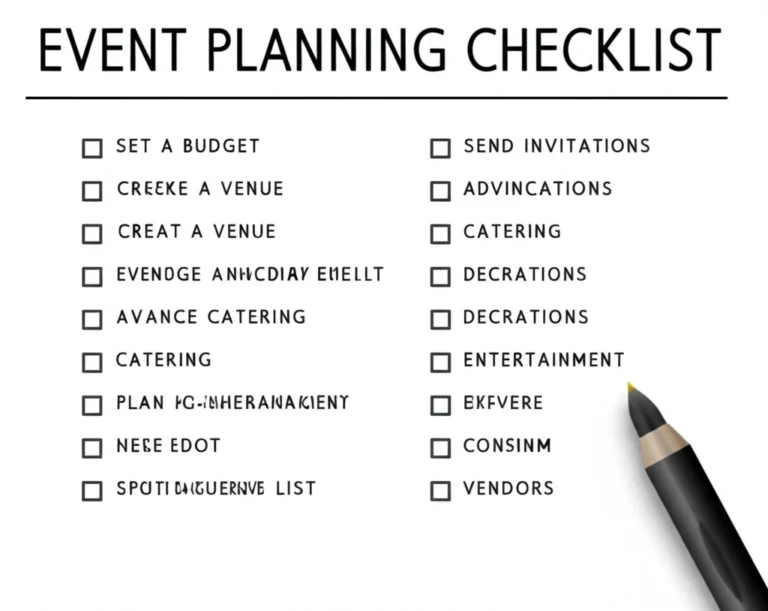
The same principle appears in the supplied event checklist video, which emphasizes defining goals, setting a budget, assigning team roles, booking a venue, planning the program, arranging catering and entertainment, inviting guests, and scheduling teardown and feedback. We’d add one crucial bridge between those checklist items: put each task on a calendar, with a person responsible for it.
And what happens when a plan is detailed but the venue opens late, or a delivery turns up while you’re still arranging tables? We’ll build those contingencies into the day-of schedule below.
🧭 Start With the Essentials: Set Your Party’s Goals, Budget, and Guest Count
Before choosing napkins or naming a mocktail, define what the party needs to accomplish. Is this a relaxed family gathering, a milestone celebration, a client event, or a formal dinner? Your purpose determines the venue, tone, activities, and staffing.
Choose the Party Date, Time, Venue, and Format
Start by checking the date against important guest schedules and venue availability. Then decide whether the event is at home, outdoors, or at a hired venue.
Use our event venue selection guide to help compare spaces. When evaluating a venue, ask:
- What time can you enter for setup, and when must everything be cleared?
- Are tables, chairs, linens, sound equipment, or kitchen facilities included?
- Are outside caters, decorations, or entertainment permitted?
- Is there step-free access, accessible parking, and an accessible restroom?
- What is the weather backup for an outdoor event?
- Who handles waste, cleanup, security, and closing?
Book the space before finalizing a floor plan. A beautiful layout that doesn’t fit the actual room is a very elegant problem.
Build a Realistic Party Budget
Set your maximum spend, then divide it into categories. Track quoted costs, confirmed commitments, and payments due separately; a quote is not a paid invoice, and a deposit is not the full balance.
| Budget category | Planning questions |
|---|---|
| Venue and permits | Are access, cleaning, or security fees separate? |
| Food and drinks | Are service, delivery, dietary needs, and ice included? |
| Rentals | Who delivers, sets up, and collects them? |
| Entertainment | What equipment or space does the performer need? |
| Decor and supplies | What can be reused, borrowed, or made at home? |
| Transport and contingency | What could cost extra if the plan changes? |
Our budget party planning resources can help you organize the numbers. Leave room for unforeseen needs instead of spending the entire budget on the first attractive proposal.
Estimate Your Guest List and Track RSVPs
Your headcount affects capacity, food, drinks, seating, favors, and sometimes staffing. Track each invite’s response, plus dietary or access needs you have permission to collect.
A simple RSVP tracker can include:
- Guest name and contact
- Invitation sent date
- RSVP status and response date
- Number attending
- Dietary or accessibility requests
- Follow-up needed
Set the RSVP deadline early enough to meet the earliest supplier deadline. If your cater requires numbers before the event, work backward from that date rather than choosing an RSVP deadline at random.
⏳ How Far in Advance Should You Start Planning a Party?
There’s no single correct lead time. A small home gathering may need only a short runway; a popular venue, peak-season date, or event with multiple vendors needs more. Availability, guest count, and complexity matter more than a universal calendar rule.
Small Gatherings, Milestone Birthdays, and Large Celebrations
| Event style | Planning approach |
|---|---|
| Casual home gathering | Confirm the date, guest count, food plan, and invitations first; add details as needed. |
| Milestone birthday | Book the venue or key entertainment early, then set RSVP and catering deadlines. |
| Large or vendor-heavy party | Start with venue and suppliers, then coordinate their deadlines in one shared plan. |
| Outdoor celebration | Add time to arrange a weather backup and communicate any change clearly. |
These are planning patterns, not rigid lead-time guarantees. A weekday gathering at home and a summer Saturday at a sought-after venue are different beasts.
Adjusting the Timeline for Weddings, Kids’ Parties, and Holidays
- Weddings: Coordinate ceremony, reception, photography, catering, transport, and venue rules. The supplied day-of wedding coordinator discussion is inaccessible beyond its login prompt, so it contains no verifiable advice we can quote. For actual vendor responsibilities and timings, use your contracts and confirm directly with your coordinator.
- Children’s parties: Keep activities age-appropriate, schedule food and cake around children’s energy, and confirm pickup arrangements with caregivers. Our birthday party checklist is a useful companion.
- Holiday gatherings: Check travel patterns, dietary needs, and seasonal venue or delivery constraints. Give guests clear arrival and parking information.
- Corporate events: Include approval steps, accessibility, registration, presentation checks, and contingency contacts. Explore our corporate event planning resources.
✅ The Complete Party Planning Timeline: 12 Steps From First Idea to Final Cleanup
The steps below are a flexible sequence, not a rulebook. Move tasks earlier when a venue, supplier, or contract requires it. The video checklist’s emphasis on goals, budget, team, venue, program, catering, entertainment, invitations, teardown, and feedback offers a useful foundation; the timeline makes those responsibilities actionable.
1. Set the Date, Guest Count, Theme, and Budget
Write a short event brief: purpose, audience, preferred date, guest estimate, style, venue type, and budget ceiling. This one-page reference helps everyone make decisions from the same plan.
2. Book the Venue and Confirm Key Vendors
Confirm availability and the event’s practical requirements before signing. Record contract deadlines, arrival windows, access instructions, cancellation terms, equipment needs, and contact details.
For a larger celebration, name one person as the day-of contact so vendors aren’t calling the host while the host is greeting guests.
3. Send Invitations and Set an RSVP Deadline
Include the date, start and end times, location, RSVP deadline, dress guidance if relevant, access information, and a contact for questions. Make the deadline early enough for you to provide reliable numbers to the venue or cater.
4. Plan the Menu, Drinks, and Dietary Acommodations
Decide who is preparing, serving, and clearing food. Ask guests about dietary requirements respectfully, then confirm how the cater or host will handle them. Note food delivery, refrigeration, serving equipment, water, ice, and a plan for leftovers.
5. Arrange Entertainment, Activities, and Music
Confirm performance or activity times, equipment, sound checks, power needs, and any space requirements. For a playlist, download or queue the music and test the speaker before guests arrive. 🎶
6. Order Decorations, Rentals, and Party Supplies
Compare delivery and collection terms, not just product descriptions. Make a packing list for decor and supplies, then label boxes by area: welcome table, dining, activity station, and cleanup.
Benefit: organized supplies reduce setup confusion.
Drawback: too many decorative extras can crowd out time and budget for essentials.
7. Confirm Guest Numbers and Finalize the Event Plan
Follow up with guests who haven’t replied. Give confirmed numbers to suppliers by their stated deadline, and update seating, food quantities, and room layout accordingly.
8. Make a Shopping List and Prepare What You Can Ahead
Separate purchases into shelf-stable, fresh, and last-minute lists. Prepare anything that can be safely made or packed ahead, and store it with a label and an owner. Don’t put perishable food out early without checking safe storage guidance from a reliable source such as the USDA Food Safety and Inspection Service.
9. Confirm Vendors, Deliveries, and Arrival Times
Send each supplier the same current event details: address, loading access, setup window, onsite contact, required equipment, and payment or balance arrangements. Ask vendors to confirm receipt, not merely assume they saw your message.
10. Set Up the Venue and Test Equipment
Follow the floor plan. Put signs, supplies, and decor where they belong; test microphones, speakers, slides, lighting, and any presentation equipment. Keep walkways clear and reserve a labeled spot for boxes and personal items.
11. Host the Party With a Clear Day-of Schedule
Give helpers and vendors a concise run sheet. Include the arrival order, key milestones, who makes announcements, and who can approve changes. Don’t try to personally manage every task while welcoming guests; delegate.
12. Clean Up, Return Rentals, and Send Thank-You Messages
Assign cleanup jobs in advance, check the venue before leaving, record missing or damaged items, and return rentals according to their instructions. Afterward, settle outstanding tasks and thank helpers, vendors, and guests.
📋 Party Planning Timeline at a Glance: What to Do and When
Use this as a backward-planning template. Replace example timing with the deadlines in your venue and vendor agreements.
| Planning period | Core tasks | Confirm or document |
|---|---|---|
| Early planning | Event brief, date, guest estimate, venue search | Budget ceiling, venue access and requirements |
| Once venue is secured | Vendor research, format, invitation plan | Written terms, arrival and setup windows |
| Before supplier deadlines | Send invitations, collect RSVPs, refine menu | RSVP cutoff, guest needs, final-count deadline |
| Final planning stretch | Confirm rentals, supplies, run sheet, shopping | Vendor contacts, delivery schedule, contingency plan |
| Day before or setup period | Pack and label items, prepare safe make-ahead food | Who transports and places each item |
| Event day | Setup, equipment checks, guest arrivals, program | Day-of contact, run sheet, emergency supplies |
| After the event | Teardown, returns, thanks, feedback | Venue sign-off, return deadline, lessons learned |
The most important date on this chart may not be the party itself. It may be the earliest deadline imposed by a supplier.
🕒 Create a Day-of Party Schedule That Has Room to Breathe
A day-of schedule should show both what guests experience and what the team must do behind the scenes. Give the document to the people who need it, and make sure they know which version is current.
Sample Schedule for a Three-Hour Party
This is an example, not a universal program. Adjust it for the event, venue access, and supplier agreements.
| Example time | Activity | Owner or lead |
|---|---|---|
| Before guest arrival | Venue access, deliveries, room setup | Setup lead |
| Before guest arrival | Check sound, lighting, food staging, restrooms | Host or designated helper |
| Guest arrival | Welcome guests, direct coats and gifts | Greter |
| Early party | Drinks, mingling, low-pressure activity | Host |
| Mid-event | Meal or main program | Catering or program lead |
| Later | Toast, cake, activity, or entertainment | Named presenter |
| Final portion | Last call for photos, belongings, and announcements | Host or coordinator |
| After guests depart | Pack, clear, inspect, return rentals | Cleanup lead |
Build in Setup Time, Transitions, and a Buffer
Don’t schedule every minute as if nothing could possibly go wrong. Add breathing room for:
- Venue access and unloading
- Vendor arrival and setup
- Sound or equipment testing
- Guests arriving gradually
- Moving from food to speeches or activities
- Clearing and final venue inspection
A buffer is especially useful before an activity that depends on several earlier tasks. If a delivery runs late, a short pause before the formal program may absorb the delay without derailing the entire celebration.
🎂 Party Timeline Examples for Different Celebrations
The core planning logic stays the same, but the critical deadlines change with the event.
Birthday Party Planning Timeline
Prioritize guest count, venue or home setup, invitations, food, cake, and activities. Confirm who is collecting any hired equipment and who takes gifts or leftover supplies home. See our birthday party checklist.
Children’s Party Planning Timeline
Make arrival, activities, food, cake, and pickup easy to understand for caregivers. Keep a responsible adult assigned to each activity area, and have a plan for weather or children who need a quieter break.
Dinner Party and Holiday Gathering Timeline
Work backward from when food should be served. Plan grocery shopping, make-ahead preparation, table setup, guest arrival, and final cooking tasks. Check safe handling and holding guidance from the USDA FSIS.
Wedding and Large Event Planning Timeline
Build separate schedules for vendors, the wedding party, and guests, then reconcile them into one master run sheet. Confirm load-in access, photography timing, ceremony transitions, meal service, speeches, and teardown with the venue and coordinator.
For the supplied day-of wedding coordinator recommendations post, the available page shows a login prompt rather than the post itself, so we cannot verify its recommendations. Use direct conversations and written vendor agreements for specifics.
🧰 Party Planning Tools: Checklists, Calendars, and Shared Task Lists
The best tool is the one your team will actually update. A simple spreadsheet may be enough for a home party; a multi-vendor event benefits from shared tasks, permissions, reminders, and a clear document trail.
| Tool type | Best for | Watch out for |
|---|---|---|
| Paper checklist | Short, simple events | Hard to share updates quickly |
| Spreadsheet | Tasks, budgets, guest tracking | Needs a clear owner to maintain it |
| Shared calendar | Deadlines and timed activities | Can become cluttered without categories |
| Event management software | Multiple teams, registrations, vendors, and schedules | Setup and learning time may be unnecessary for a small gathering |
Explore our event management software resources if your event needs shared coordination.
How to Use a Party Planning Spreadsheet or Calendar
Create columns for task, deadline, owner, status, dependency, and notes. Use calendar reminders for fixed deadlines, and keep the final day-of schedule in a place the team can easily access. If plans change, update the shared document and tell affected people directly.
Delegate Tasks Without Losing Track
Delegate outcomes, not vague intentions. Instead of “help with setup,” assign “place the welcome sign and guest book at the entrance before the first guest arrives.”
Ask the person to confirm they understand the task and tell them whom to contact if something changes. One coordinator or host should keep the master plan current.
🚨 Common Party Planning Timeline Mistakes—and How to Avoid Them
| Common mistake | Why it causes trouble | Better approach |
|---|---|---|
| Booking suppliers before confirming venue constraints | Access, layout, or venue rules may conflict | Check venue requirements first |
| Treating an RSVP estimate as a final count | Catering and seating may be wrong | Set a clear deadline and follow up |
| Giving tasks no owner | Everyone assumes someone else is doing them | Assign one accountable person |
| Forgeting setup and cleanup | The event may overun venue access | Schedule both, including who leads |
| Making a schedule with no buffer | One delay can push every activity back | Leave flexible space around key transitions |
| Relying on verbal vendor details | Instructions can be misunderstood | Confirm important details in writing |
| Keeping multiple conflicting versions | Helpers act on outdated information | Maintain one master schedule |
The supplied Quora page about keeping an event on schedule displays a security-verification screen, not an accessible answer. We won’t invent advice or quote it as if we had read it. Our recommendation is practical: work from your own confirmed venue and vendor commitments, then keep the schedule updated.
🌧️ Backup Plans for Late RSVPs, Bad Weather, and Vendor Delays
A backup plan should answer three questions: What could change? Who decides? How will the team and guests find out?
- Bad weather: Identify an indoor alternative, a decision deadline, and who sends the update.
- Late RSVP or guest-count shifts: Check the venue’s capacity and supplier rules before promising extra places.
- Delayed delivery: Identify what can be rearranged, borrowed, or removed without affecting the core event.
- Equipment failure: Test essential equipment ahead of time and assign a contact who can troubleshoot.
- Key helper unavailable: Name a backup for essential responsibilities.
- Vendor running late: Share the day-of contact’s number and agree on what changes are acceptable.
Don’t wait until a disruption occurs to decide who has authority. A helper should know whether they can move the toast, change the activity order, or call the venue.
🧹 After the Party: Cleanup, Returns, and Follow-Up
The event isn’t fully wrapped until the venue is checked and every rental has a plan. Put these tasks on the timeline before the party:
- Assign cleanup roles and a finishing time.
- Sort belongings, leftover supplies, and food.
- Check the space for personal items and rubbish.
- Photograph or document any venue issue that needs follow-up.
- Confirm rental returns and pickup arrangements.
- Close outstanding supplier tasks and payments.
- Send thank-you messages to guests and helpers.
- Note what worked and what you would change next time.
Feedback doesn’t need to be a formal survey. A quick team debrief can capture whether the setup window was adequate, which activity landed well, and what created avoidable stress. That makes your next checklist smarter than the last.