Support our educational content for free when you purchase through links on our site. Learn more
How to Start a Party Planning Business with Almost No Money (2025) 🎉

Dreaming of launching your own party planning business but worried your wallet won’t keep up? You’re not alone! Starting a party planning venture with little to no money might sound like trying to throw a grand gala with just a handful of balloons—but trust us, it’s totally doable. In fact, many successful planners began with zero budget, relying on creativity, resourcefulness, and smart strategies to build thriving businesses.
Did you know that most companies host multiple events each year, creating a booming market hungry for talented planners? In this guide, we’ll walk you through 12 smart steps to kickstart your party planning business without breaking the bank—from defining your niche and building a brand on a shoestring, to leveraging free marketing tools and securing your first clients. Plus, we’ll share insider tips, real stories, and essential tools that helped us at Party Plan Checklist™ turn passion into profit. Ready to turn your party dreams into a paycheck? Let’s dive in!
Key Takeaways
- Start small but think big: Focus on a niche to maximize your limited resources and stand out.
- Leverage free tools and platforms: Use apps like Trello, Canva, and Eventbrite to manage projects and market yourself without spending a dime.
- Build your portfolio creatively: Volunteer, barter services, or style mock events to showcase your skills.
- Network strategically: Partner with local venues and vendors to gain referrals and credibility.
- Master budgeting and negotiation: Keep client costs low and your profits healthy by managing finances wisely and negotiating vendor deals.
- Stay professional and legal: Use contracts, register your business, and consider insurance early on to protect yourself.
Ready to throw the party planning business of your dreams? Keep reading for our full step-by-step blueprint!
Table of Contents
- ⚡️ Quick Tips and Facts for Launching Your Party Planning Biz on a Budget
- 🎉 The Party Planning Industry: A Budget-Friendly Business Opportunity
- 📚 Party Planning Business Basics: What You Need to Know Before You Start
- 💡 12 Smart Steps to Start Your Party Planning Business with Little or No Money
- 1. Define Your Niche and Target Market
- 2. Build a Strong Brand Without Breaking the Bank
- 3. Leverage Free and Low-Cost Marketing Strategies
- 4. Network Like a Pro: Partnerships and Collaborations
- 5. Use Technology and Tools to Streamline Operations
- 6. Offer Value-Added Services to Stand Out
- 7. Secure Your First Clients with Strategic Outreach
- 8. Manage Your Finances Wisely from Day One
- 9. Master the Art of Negotiation and Vendor Relations
- 10. Build a Portfolio and Collect Testimonials
- 11. Stay Legal: Licenses, Permits, and Insurance
- 12. Keep Learning and Growing Your Expertise
- 🛠️ Essential Tools and Apps for Budget-Friendly Party Planners
- 💬 Real Stories: How We Started Our Party Planning Business with Zero Budget
- 📈 Scaling Up: Growing Your Party Planning Business Without Huge Investments
- 🧠 Common Challenges and How to Overcome Them on a Shoestring Budget
- 🎯 Marketing Hacks: Getting Clients When You Have No Advertising Budget
- 📅 Planning Your First Event: Tips for Success Without Spending Big
- 💼 Freelance vs. Full-Time: Choosing Your Party Planning Business Model
- 🌟 Conclusion: Your Roadmap to a Thriving Party Planning Business on a Budget
- 🔗 Recommended Links for Aspiring Party Planners
- ❓ Frequently Asked Questions About Starting a Party Planning Business with No Money
- 📚 Reference Links and Resources
⚡️ Quick Tips and Facts for Launching Your Party Planning Biz on a Budget
Welcome, future party-planning mogul! You’re dreaming of a career filled with confetti, happy clients, and flawless events, but your bank account is singing a sad, empty tune. Don’t you worry! We at Party Plan Checklist™ started right where you are. Here are some lightning-fast tips to get you started.
- ✅ Your Network is Your Net Worth: Your first clients are likely hiding in plain sight—friends, family, and former colleagues. Don’t be shy; tell everyone what you’re doing!
- ✅ Specialize to Monetize: Don’t try to be the jack-of-all-parties. The quickest way to earn is by getting known for one specific thing, like chic kids’ birthday parties or killer corporate happy hours.
- ✅ Volunteer Strategically: Offer to plan a party for a friend or a local non-profit for free. This isn’t charity; it’s portfolio-building! Document everything with high-quality photos.
- ✅ Leverage Free Tech: You don’t need fancy software to start. Use free versions of tools like Trello for project management, Canva for marketing materials, and Eventbrite for ticketing your own events.
- ✅ Partner Up: Connect with local venues, caterers, and photographers. They can be a fantastic source of referrals, and you can cross-promote each other’s services.
- ❌ Don’t Buy Inventory: Resist the urge to buy tons of decor and supplies. Rent items or have the client pay for them directly as part of the event budget. Your job is coordination, not owning a warehouse of vases.
- A Surprising Fact: Most companies with 25 or more employees host 2-5 events per year, creating a massive, often untapped market for freelance planners.
🎉 The Party Planning Industry: A Budget-Friendly Business Opportunity
Ever wonder what the secret is to the What Is the Party Plan Business Model? 8 Secrets You Need to Know 🎉 (2025)? It’s that you can build an empire on creativity and connections, not cash. Unlike most startups that require hefty initial investments, a successful event planning business can be launched with a surprisingly limited budget. The beauty of this industry is that you’re selling a service—your organizational genius, your creative vision, and your calming presence.
The core of the business is simple: you help clients plan, organize, and execute events while ensuring everything stays within their budget. You’re the maestro of the party orchestra, and you don’t need to own all the instruments to lead a symphony. Whether you’re planning events for others or creating your own ticketed experiences, the barrier to entry is incredibly low. It’s all about being resourceful, organized, and having a flair for making things happen. As one expert puts it, “You don’t have to be great to start but you have to start to be great!”
📚 Party Planning Business Basics: What You Need to Know Before You Start
Before you dive headfirst into the glitter pit, let’s lay some groundwork. Being a great party guest doesn’t automatically make you a great party planner. It’s a real job that requires a specific skill set.
Core Responsibilities of a Party Planner
At its heart, your job is to be a problem-solver and a dream-realizer. This typically involves:
- Client Consultation: Deeply understanding your client’s vision, needs, and—most importantly—their budget.
- Resource Management: Juggling vendors, venues, and timelines.
- Detailed Organization: Creating meticulous checklists, schedules, and plans. If you love a good spreadsheet, you’re in the right place!
- Day-Of Coordination: Being the on-the-ground commander who ensures everything runs smoothly, from the first guest’s arrival to the final cleanup.
Essential Skills for Success
While passion is a must, it won’t get you far without these key skills:
| Skill | Why It’s Crucial | How to Develop It on a Budget |
|---|---|---|
| Attention to Detail | You’re the one who needs to notice that the floral arrangement clashes with the tablecloths or that the DJ’s name is misspelled on the schedule. | Volunteer to help with a friend’s wedding or a community event. Practice creating detailed timelines for your own life. |
| Organization | You’ll be managing multiple timelines, vendors, and client communications at once. Chaos is your enemy. | Use free project management tools like Asana or Trello to organize a mock event. |
| Communication | You need to be a clear, confident communicator with clients, vendors, and guests. | Practice your negotiation skills by calling local vendors for quotes, even for a hypothetical event. |
| Creativity | Clients are hiring you for your ideas! You need to be able to brainstorm unique themes, decor, and entertainment options. | Create mood boards on Pinterest for different party themes. Follow top event designers on Instagram. |
| Calm Under Pressure | When the cake arrives late or a key speaker cancels, everyone will look to you. Your calm demeanor is your superpower. | Think back to a stressful situation you handled well. What did you do? Apply those same principles to event mishaps. |
💡 12 Smart Steps to Start Your Party Planning Business with Little or No Money
Ready for the master plan? Here’s our step-by-step guide to launching your business without emptying your pockets.
1. Define Your Niche and Target Market
You can’t be everything to everyone, especially when you’re starting out. The key benefit of choosing a niche is that you can focus your limited resources more effectively.
- Brainstorm Your Passion: Do you love the whimsy of children’s parties? The sleek professionalism of Corporate Event Planning? The romance of intimate weddings?
- Research Your Market: Once you have a niche, dig in. Who are your ideal clients? Where do they hang out online? What are their pain points? Use social media and local forums to gather intel. For example, if you’re targeting small businesses, search on LinkedIn for local companies and see what kinds of events they’ve hosted in the past.
2. Build a Strong Brand Without Breaking the Bank
Your brand is more than just a logo; it’s the feeling people get when they think of your business.
- Choose a Great Name: Pick something memorable that reflects your niche.
- DIY Your Logo: Use a free tool like Canva’s Logo Maker to create a professional-looking logo.
- Snag Your Social Handles: Even if you don’t plan to use them all immediately, secure your business name on Instagram, Facebook, TikTok, and Pinterest. Consistency is key!
3. Leverage Free and Low-Cost Marketing Strategies
Forget expensive ads. Your best marketing tools are free.
- Word-of-Mouth: This is your golden ticket. Start by telling everyone you know about your new venture. Hand out business cards (you can get affordable ones from Vistaprint) at every opportunity.
- Social Media: Create a business page and start posting! Share behind-the-scenes content, party planning tips, and photos of your work (even from volunteer gigs). Use relevant hashtags to reach your target audience. Remember, as the expert in our featured video advises, people often need to see your work about 10 times before they’ll consider hiring you, so consistency is crucial.
- Create a Simple Website: You don’t need a custom-coded site. Platforms like Wix or Squarespace offer user-friendly templates. Some event platforms, like Event Smart, even offer free basic plans to build a site.
4. Network Like a Pro: Partnerships and Collaborations
Build relationships with people who can send business your way.
- Visit Venues: Introduce yourself to the managers of local restaurants, hotels, and event spaces. They are often the first people clients ask for planner recommendations. A strong partnership can lead to a steady stream of referrals.
- Connect with Vendors: Get to know photographers, florists, DJs, and caterers. Create a preferred vendor list that you can share with clients (and they can do the same for you).
5. Use Technology and Tools to Streamline Operations
The right tech can make you look like a seasoned pro, even when you’re a one-person show.
- Project Management: Use a free tool like Trello to create boards for each client, with lists for to-dos, in-progress tasks, and completed items.
- Client Proposals: Create beautiful, professional proposals using Canva. You can also find templates on sites like PandaDoc.
- Virtual Events: If you’re planning virtual or hybrid events, get familiar with platforms like Zoom and Google Meet.
6. Offer Value-Added Services to Stand Out
What can you offer that costs you nothing but time and expertise?
- Vendor Sourcing: Offer to find the perfect, budget-friendly vendors for your client.
- Timeline Creation: Provide an incredibly detailed day-of timeline that leaves no room for error.
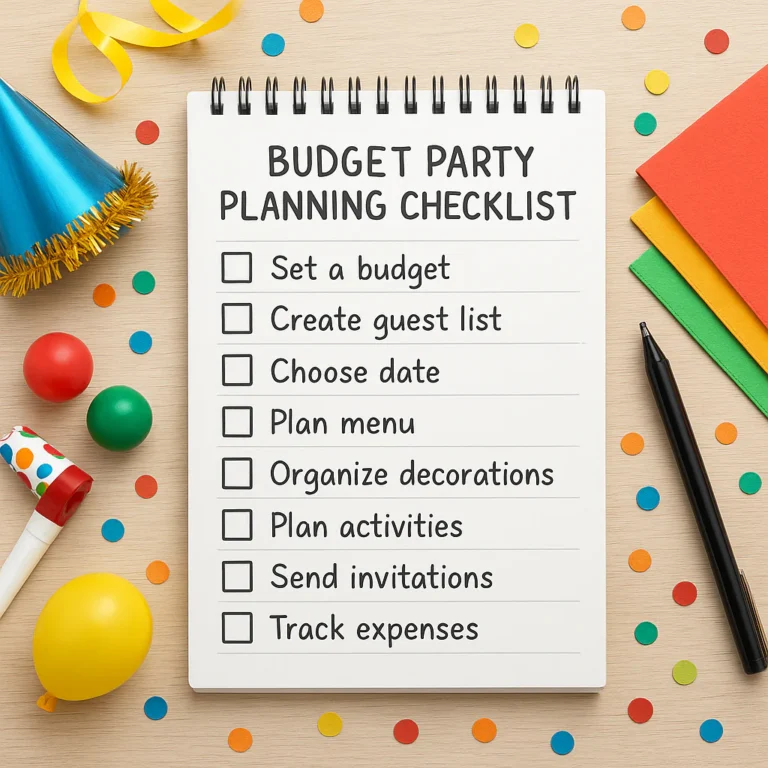
- Budget Management: Create a comprehensive Budget Party Planning spreadsheet to help clients track their spending.
7. Secure Your First Clients with Strategic Outreach
This is where the hustle comes in.
- Plan for Friends and Family: Offer to plan their next birthday party or baby shower at a reduced rate or for free in exchange for a glowing testimonial and photos for your portfolio.
- Cold Outreach (with a twist): Identify local companies that might need event planning services. Instead of a generic email, send a handwritten note or a personalized message on LinkedIn. Offer a free 30-minute consultation to discuss their next corporate retreat or holiday party.
- Use Freelance Platforms: Create a profile on sites like Upwork or The Bash to find clients looking for event planners.
8. Manage Your Finances Wisely from Day One
Even with no money, you need to think like a business owner.
- Set Your Pricing: Research what other planners in your area charge. You can structure your fees in several ways:
- Hourly Rate: Good for consultations or smaller tasks.
- Percentage of Event Budget: A common model is charging 15-20% of the total event cost.
- Flat Fee: A set price for the entire event, which provides clarity for the client.
- Track Everything: Open a separate bank account for your business as soon as you make your first dollar. Use a simple spreadsheet to track income and expenses.
- Reinvest Your Revenue: Once you get paid, be smart. Prioritize paying any vendors you used, then reinvest a portion of the profit back into marketing or essential tools.
9. Master the Art of Negotiation and Vendor Relations
Your ability to negotiate can save your clients money and make you look like a hero.
- Ask for Discounts: When working with vendors, always ask if they offer a discount for event planners or for bringing them repeat business.
- Build Loyalty: Pay your vendors on time, every time. A happy vendor is more likely to go the extra mile for you and your clients in the future.
10. Build a Portfolio and Collect Testimonials
Social proof is everything.
- Photograph Everything: Take high-quality photos and videos of every event you plan, even the small ones.
- Ask for Reviews: After a successful event, ask your happy client for a testimonial that you can feature on your website and social media.
11. Stay Legal: Licenses, Permits, and Insurance
This isn’t the most glamorous step, but it’s crucial.
- Business Registration: Look into the requirements for registering your business in your city and state.
- Contracts: Never work without a contract. Find a basic event planning contract template online that you can adapt. It should outline your services, fees, and payment schedule.
- Insurance: Event planning insurance can protect you if something goes wrong. It’s an expense, but it’s one you should plan for as soon as you start earning revenue.
12. Keep Learning and Growing Your Expertise
The event industry is always changing.
- Read Blogs and Books: Follow industry blogs like ours, BizBash, and Eventbrite’s blog.
- Take Free Courses: Look for free webinars and online courses that can help you hone your skills.
- Stay Trendy: Keep an eye on the latest trends in decor, food, and entertainment.
🛠️ Essential Tools and Apps for Budget-Friendly Party Planners
You don’t need a six-figure software budget to run your business efficiently. Here are our favorite free and freemium tools that will make you look like the pro you are.
| Tool Category | Brand/Product Name – 👉 Shop Event Management Software on: – Eventbrite: The Bash | Eventbrite Official Website – Trello: Trello Official Website – Asana: Asana Official Website – Canva: Canva Official Website
💬 Real Stories: How We Started Our Party Planning Business with Zero Budget
Let me tell you a little story. When our founder, Chloe, first started Party Plan Checklist™, she had more passion than pennies. Her very first “client” was her own sister, who was planning a baby shower on a shoestring budget. Chloe saw an opportunity. She called a local cafe that had a beautiful, unused back room and pitched an idea: “Let me bring 25 people in on a quiet Sunday afternoon to buy coffee and pastries, and you let me use the room for free.” The cafe owner, eager for the business, agreed instantly.
Chloe then bartered her budding decorating skills with a local baker for a discounted cake in exchange for professional photos and a glowing social media shoutout. The invitations were designed on Canva, and the games were all DIY printables. The party was a huge success. The photos from that one, tiny, no-budget baby shower became the foundation of her portfolio and landed her the first paying client. It’s proof that resourcefulness will always trump resources.
📈 Scaling Up: Growing Your Party Planning Business Without Huge Investments
So you’ve planned a few parties, and you’re starting to get the hang of this. How do you grow without taking out a massive loan? It’s all about smart, strategic reinvestment.
- Funnel Profits into Marketing: As soon as you get paid, allocate a small portion of that revenue to targeted marketing. This could be a boosted post on Facebook targeting engaged couples in your area or a small ad in a local parent magazine. The goal is to create a cycle: marketing brings clients, clients bring revenue, and revenue funds more marketing.
- Secure Future Venues: Use your earnings to put down deposits on in-demand venues for future dates. This allows you to market events further in advance and secure prime locations, making your services more attractive to potential clients. Check out our tips on Event Venue Selection.
- Hire Freelancers, Not Employees: As you get busier, don’t immediately jump to hiring a full-time assistant. Instead, hire freelance help on a per-event basis. You can find experienced “day-of” coordinators on local event professional groups on Facebook.
- Raise Your Prices: After you have a solid portfolio of 5-10 successful events and glowing testimonials, it’s time to re-evaluate your pricing. A price increase reflects your growing experience and demand.
🧠 Common Challenges and How to Overcome Them on a Shoestring Budget
Starting a business with no money is a bit like climbing a mountain in flip-flops—challenging, but not impossible if you’re clever! Here are some common hurdles and how to leap over them.
- The “No Portfolio” Problem: How do you get clients without a portfolio, and how do you build a portfolio without clients?
- Solution: Style a “mock” event. Set up a beautiful tablescape in your own home, take stunning photos, and use them as your initial portfolio pieces. Collaborate with a new photographer who also needs portfolio content. Volunteer for non-profits or plan parties for friends.
- Imposter Syndrome: Feeling like a fraud because you don’t have a fancy office or years of experience?
- Solution: Fake it ’til you make it! Focus on what you do have: passion, creativity, and a commitment to your clients. Remember the advice to “Validate Your Offer!”—find the intersection of your skills and what people will pay for. Every “yes” from a client is proof that you belong.
- Lack of Credibility: Clients might be hesitant to hire someone who is just starting out.
- Solution: Drown them in professionalism. Have a polished (even if simple) website, a professional email address, and glowing testimonials from your first few clients or volunteer gigs. A well-drafted contract also shows you mean business.
🎯 Marketing Hacks: Getting Clients When You Have No Advertising Budget
No ad budget? No problem. Here’s how to get the word out for free.
- Content is King: Start a simple blog on your website. Write helpful articles like “5 Creative Themes for a Toddler’s Birthday Party” or “How to Choose the Perfect Wedding Venue in [Your City].” This positions you as an expert and helps with Google search rankings.
- Collaborate on Instagram: Partner with a local influencer or a complementary business (like a bakery or boutique) for a giveaway. You both get exposure to each other’s audiences.
- Leverage Pinterest: Pinterest is a visual search engine and a goldmine for party planners. Create beautiful pins showcasing your work, linking back to your website or blog. A great Birthday Party Checklist board can drive a lot of traffic.
- Join Local Facebook Groups: Participate in local community and business groups. Don’t just spam your services. Offer helpful advice and build relationships. When someone asks for a party planner recommendation, your name will be top of mind.
📅 Planning Your First Event: Tips for Success Without Spending Big
Your first official event is nerve-wracking! Here’s how to knock it out of the park.
- Over-communicate with Your Client: Make sure you are 100% clear on their vision and budget. Send regular updates to show them you’re on top of everything.
- Create a Master Checklist: Your checklist is your bible. Break down every single task, from sending invitations to confirming vendor arrival times.
- Negotiate with Venues for Your Own Events: If you’re planning your own ticketed event, remember that venues want your business. Propose hosting your networking event on a slow night in exchange for a waived rental fee, promising to bring in a crowd that will buy food and drinks.
- Collect Payment Upfront for Experience Events: If you’re organizing something like a group wine tasting, have attendees pay you before you have to pay the vendor. Use free platforms like Venmo or PayPal to collect funds easily.
- Have a Backup Plan (and a Backup for the Backup): What if it rains during the outdoor party? What if the DJ gets a flat tire? Think through potential problems and have solutions ready. This is what separates amateurs from pros.
💼 Freelance vs. Full-Time: Choosing Your Party Planning Business Model
How do you want to structure your new career? You have a few options, each with its own pros and cons.
The Freelance Hustler
This is the most common starting point for a no-budget business. You work on a project-by-project basis.
- Pros: ✅ Ultimate flexibility, you’re your own boss, you can work with a variety of clients and event types.
- Cons: ❌ Income can be inconsistent, you’re responsible for finding all your own clients, you have to manage all aspects of the business yourself.
The In-House Planner (Getting a Job First)
Another route is to get a job as an event coordinator for a company or a larger event planning agency to gain experience and a steady paycheck before going out on your own.
- Pros: ✅ Stable income, benefits, invaluable hands-on experience and connections.
- Cons: ❌ Less creative freedom, you’re building someone else’s brand, not your own.
The Event Creator
This is for the true entrepreneur. Instead of planning events for others, you create and promote your own ticketed events, like networking mixers, workshops, or themed parties.
- Pros: ✅ High potential for profit, you have complete creative control, you build your own brand and community.
- Cons: ❌ Higher risk (what if no one buys tickets?), you’re responsible for all the marketing and logistics.
Ultimately, there’s no wrong answer! Many successful planners start as freelancers and eventually grow into full-fledged agencies. The key is to choose the path that best fits your current situation and long-term goals.
🌟 Conclusion: Your Roadmap to a Thriving Party Planning Business on a Budget
So, there you have it—a comprehensive, no-fluff guide to starting your party planning business with little or no money. From defining your niche to leveraging free marketing tools, from building your portfolio with volunteer gigs to mastering vendor negotiations, we’ve covered all the bases. Remember Chloe’s story? That humble baby shower turned into a thriving business because she focused on creativity, resourcefulness, and relationships—not a fat wallet.
Starting with zero budget might feel like climbing a mountain in flip-flops, but with the right mindset and strategies, you can reach the summit and throw the kind of parties people rave about for years. Your secret weapons? Passion, organization, and hustle. And yes, a killer checklist from Party Plan Checklist™ doesn’t hurt either!
If you ever wondered how to get started without spending a dime on fancy software or expensive ads, now you know: focus on your network, build your brand smartly, use free tools, and always deliver value. The party planning world is waiting for your magic touch—go make it happen! 🎉
🔗 Recommended Links for Aspiring Party Planners
Ready to gear up with the best tools and resources? Check out these top picks that helped us and countless planners launch their businesses without breaking the bank:
- Eventbrite: The Bash | Eventbrite Official Website
- Trello: Trello Official Website
- Asana: Asana Official Website
- Canva: Canva Official Website
- Zoom: Zoom Official Website
- Venmo: Venmo Official Website
- PayPal: PayPal Official Website
- Upwork: Upwork Official Website
- Vistaprint (Business Cards): Vistaprint Official Website
- PandaDoc (Proposal Templates): PandaDoc Official Website
Books to Boost Your Party Planning Know-How:
- The Event Planner’s Bible by Judy Allen — Amazon Link
- How to Start a Home-Based Event Planning Business by Susan Friedmann — Amazon Link
- The Art of Event Planning by Gianna Gaudini — Amazon Link
❓ Frequently Asked Questions About Starting a Party Planning Business with No Money
What are low-cost marketing strategies for a party planning business?
Low-cost marketing is all about maximizing impact with minimal spend. Start by harnessing word-of-mouth—tell everyone you know, and encourage satisfied clients to refer you. Use social media platforms like Instagram, Facebook, and Pinterest to showcase your work and share tips. Creating valuable content such as blog posts or videos positions you as an expert and improves your search engine ranking. Collaborate with local businesses for giveaways or cross-promotions, and join community groups where your target clients hang out. Lastly, don’t underestimate the power of networking in person—visit venues and vendors to build relationships that lead to referrals.
How can I find affordable vendors for party supplies and services?
Finding budget-friendly vendors requires research and relationship-building. Start by asking for recommendations in local Facebook groups or community forums. Attend vendor fairs or open houses to meet suppliers face-to-face. Negotiate discounts by offering repeat business or referrals. Consider bartering services, like offering marketing help in exchange for discounted rates. Use platforms like Thumbtack or The Bash to compare vendors and read reviews. Always get multiple quotes and check portfolios before committing. Remember, a good vendor relationship can lead to better deals and priority service.
What essential skills do I need to start a party planning business on a budget?
Key skills include:
- Organization: Managing timelines, vendors, and client communications without dropping the ball.
- Attention to Detail: Spotting potential issues before they become problems.
- Communication: Clearly conveying ideas and negotiating with clients and vendors.
- Creativity: Designing memorable, unique events that clients love.
- Problem-Solving: Staying calm and finding solutions when last-minute surprises hit.
- Basic Financial Literacy: Setting pricing, budgeting, and managing cash flow.
You can develop these skills through free online courses, volunteering, and hands-on experience.
How do I create a party planning checklist to stay organized and save money?
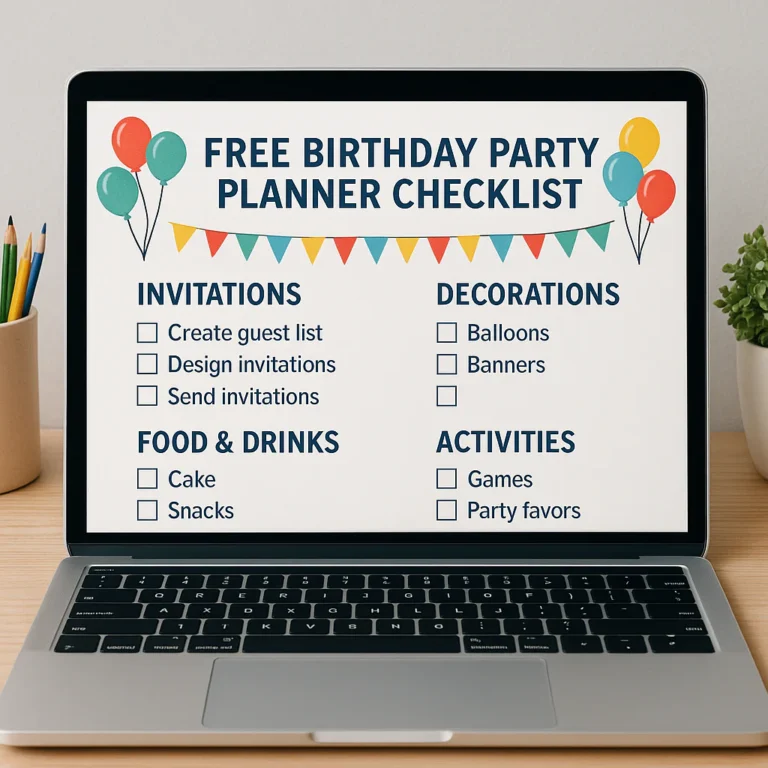
A party planning checklist is your roadmap to success. Start by breaking the event into phases: initial consultation, planning, vendor booking, marketing (if ticketed), day-of coordination, and post-event follow-up. For each phase, list every task in detail—sending invitations, confirming vendors, arranging decor, etc. Use free tools like Trello or Google Sheets to keep your checklist dynamic and accessible. Prioritize tasks by deadlines and budget impact. A thorough checklist prevents costly last-minute mistakes and ensures you don’t overlook budget-friendly opportunities like negotiating vendor packages or DIY decor options.
How do I handle contracts and legal requirements without spending a fortune?
Start with free or low-cost contract templates available online from reputable sources like PandaDoc or Rocket Lawyer. Customize them to fit your services and local regulations. Register your business through your city or state’s small business office—many offer free or low-cost registration options. For insurance, look for event planner-specific policies that offer basic coverage at affordable rates. Always have clients sign contracts before work begins to protect yourself legally and clarify expectations.
📚 Reference Links and Resources
For further reading and verification, check out these authoritative sources:
- How to Start a Party Planning Business with Little to No Money — Eventbrite Blog
- How to Start an Event Planning Services Business with No Money — Event Smart
- Start Event Planning with No Money — EventPlanning.com
- Eventbrite Official Website
- Zoom Official Website
- Venmo Official Website
- PayPal Official Website
- LinkedIn Official Website
- Upwork Official Website
- The Bash Official Website
Ready to start your party planning empire? Dive into our full guide and remember: the best parties—and businesses—start with a great plan and a little bit of hustle. 🎉