Support our educational content for free when you purchase through links on our site. Learn more
🌧️ Safe Hoverboards for Kids in Wet Conditions: 7 Picks?

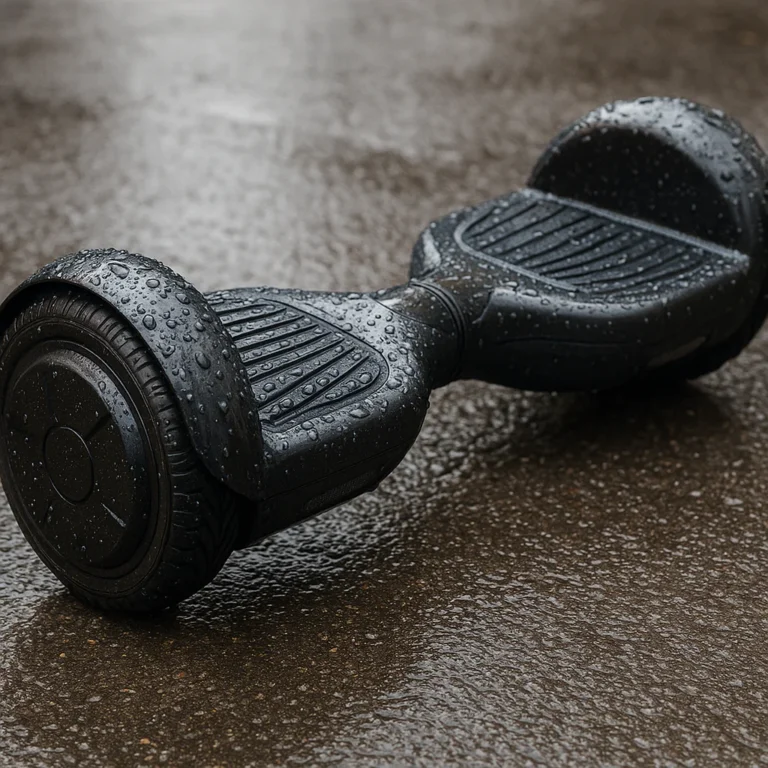
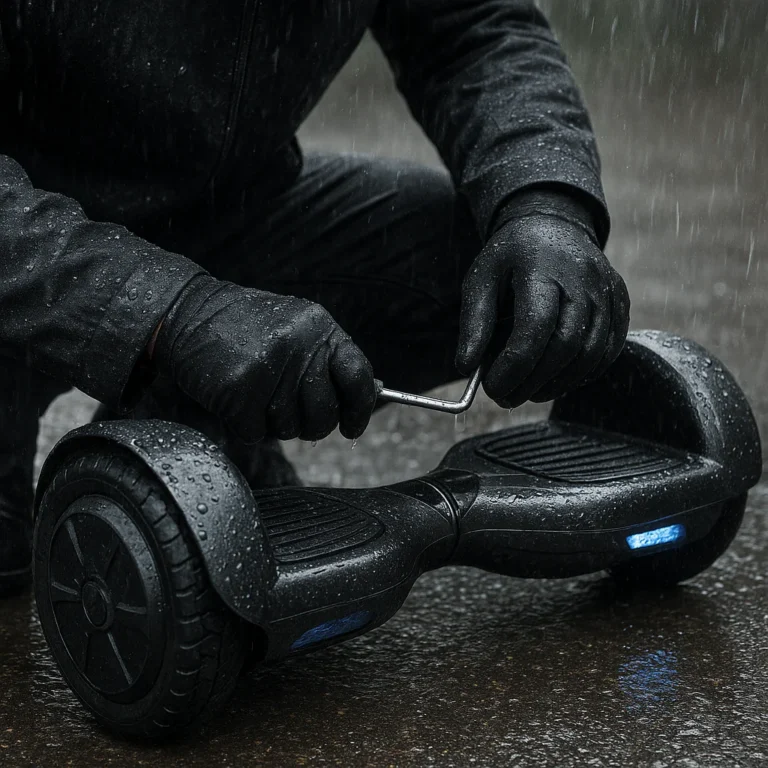
There are no hoverboards we can confidently recommend for kids to ride in rain or on wet pavement. “All-terain,” “water-resistant,” and even UL 2272 certification do not automatically mean a board is waterproof or safe on slippery ground. The safest plan is to ride only on dry surfaces and switch to an indoor activity when the weather turns.
That distinction matters at a party. We’ve seen how quickly a sunny driveway can become a slick obstacle course after a brief shower—and how tempting it is for kids to squeeze in “just one more lap.” A clear stop rule, dry storage spot, and rainy-day backup keep the fun from skidding sideways.
Key Takeaways
- Don’t let kids ride in rain, through puddles, or on wet pavement. Wait until the route is fully dry.
- UL 2272 is not a waterproof rating. Verify the exact model’s certification, manual, age and weight limits, and water-use guidance.
- All-terain tires don’t guarantee wet grip. Terrain claims are not proof of safe braking or turning on slippery surfaces.
- If a board gets wet, switch it off and don’t charge or test it. Follow the manufacturer’s instructions and contact support if water may have entered the casing.
- Make safety part of the party plan: helmets and pads, active adult supervision, a dry riding area, and an indoor backup activity.
Table of Contents
- ⚡️ Quick Tips and Facts: Hoverboards and Wet Conditions
- 🌧️ Background: Why Water and Hoverboards Don’t Mix
- 🛑 Can Kids Ride a Hoverboard in the Rain or on Wet Ground?
- What “Water-Resistant” and IP Ratings Actually Mean
- Puddles, Damp Grass, Wet Pavement, and Splash Risks
- Why Wet Tires Lose Traction
- ✅ Are Hoverboards Safe for Kids?
- Common Risks: Falls, Collisions, Burns, and Battery Fires
- Age, Balance, and Readiness to Ride
- Adult Supervision and Safe Riding Locations
- 🔎 How to Choose a Hoverboard for Kids in Wet Climates
- Safety Certification: UL 2272 and What to Verify
- Age and Weight Limits
- Wheel Size and All-Terrain Design
- Speed Settings and Beginner Modes
- Battery Range and Charging Safety
- Tire Material, Tread, and Wet-Surface Grip
- Extra Features: Lights, Bluetooth, and App Controls
- Questions to Ask Before Buying
- 🏆 Our Top Picks: Hoverboards to Consider for Kids
- 1. FLYING-ANT Two-Wheel Hoverboard
- 2. XERATH All-Terrain Hoverboard
- 3. Gyror Warrior Off-Road Hoverboard
- 4. EMAXUSA Spider-Pattern Hoverboard
- 5. SUNDERWELL All-Terrain Hoverboard
- 6. FLYING-ANT Stary Hoverboard
- 7. Lieagle Self-Balancing Scooter Hoverboard
- What to Check About Water Resistance Before You Buy
- 📊 Hoverboard Comparison Chart: Certification, Tires, and Weather Limits
- 🧰 How to Ride a Hoverboard Safely
- Gear Up: Helmet, Wrist Guards, Knee Pads, and Elbow Pads
- Start Slow on a Flat, Dry Surface
- Practice Mounting, Turning, and Dismounting
- Watch Where You Ride: Slopes, Traffic, and Obstacles
- Use Lights and Reflective Gear in Low Light
- Respect the Battery: Charging, Storage, and Inspection
- 🧼 What to Do If a Hoverboard Gets Wet
- Turn It Off and Keep It Away from the Charger
- Dry the Exterior Safely
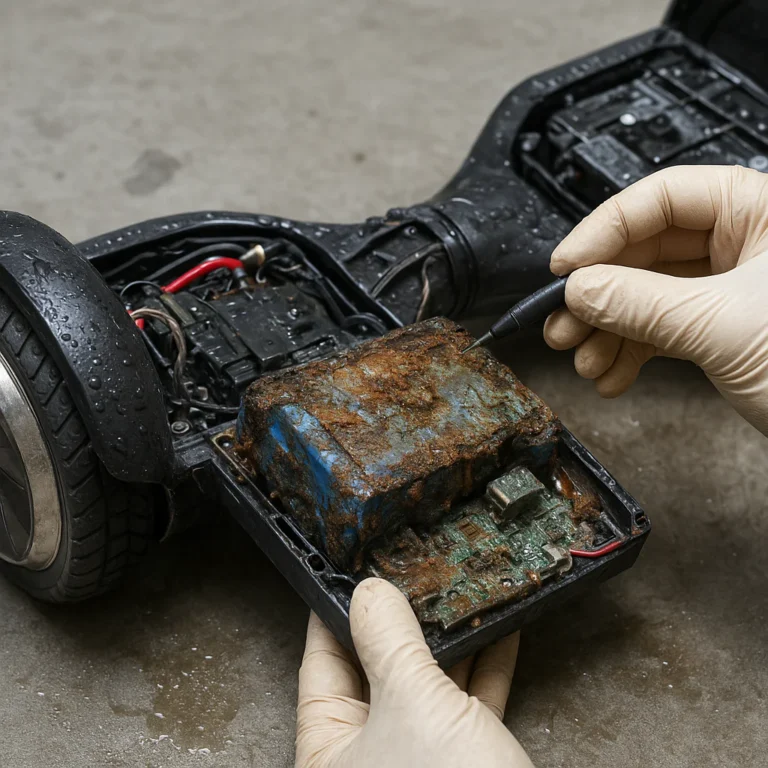
- Signs of Water Damage or Battery Trouble
- When to Contact the Manufacturer or Stop Using It
- 🔋 Hoverboard Care, Cleaning, and Storage
- Cleaning Tires and the Board Without Adding Water
- Storing a Hoverboard During Rainy Weather
- Battery Charging and Long-Term Storage
- How Long Do Hoverboards Last?
- ❓ Frequently Asked Questions
- What Is the Minimum Age to Ride a Hoverboard?
- Are Hoverboards Meant for Indors or Outdoors?
- What Does Self-Balancing Mean on a Hoverboard?
- Do Hoverboards Break in the Rain?
- Can a Hoverboard Go Through Puddles?
- How Long Does It Take to Charge a Hoverboard?
- How Much Should a Child Weigh to Ride a Hoverboard?
- How Much Does a Good Kids’ Hoverboard Cost?
- 📚 Related Reading
- 🔗 Recommended Links
- 📖 Reference Links
- 🏁 Conclusion
Table of Contents
- ⚡️ Quick Tips and Facts: Hoverboards and Wet Conditions
- 🌧️ Background: Why Water and Hoverboards Don’t Mix
- 🛑 Can Kids Ride a Hoverboard in the Rain or on Wet Ground?
- What “Water-Resistant” and IP Ratings Actually Mean
- Puddles, Damp Grass, Wet Pavement, and Splash Risks
- Why Wet Tires Lose Traction
- ✅ Are Hoverboards Safe for Kids?
- Common Risks: Falls, Collisions, Burns, and Battery Fires
- Age, Balance, and Readiness to Ride
- Adult Supervision and Safe Riding Locations
- 🔎 How to Choose a Hoverboard for Kids in Wet Climates
- Safety Certification: UL 2272 and What to Verify
- Age and Weight Limits
- Wheel Size and All-Terrain Design
- Speed Settings and Beginner Modes
- Battery Range and Charging Safety
- Tire Material, Tread, and Wet-Surface Grip
- Extra Features: Lights, Bluetooth, and App Controls
- Questions to Ask Before Buying
- 🏆 Our Top Picks: Hoverboards to Consider for Kids
- 1. FLYING-ANT Two-Wheel Hoverboard
- 2. XERATH All-Terrain Hoverboard
- 3. Gyror Warrior Off-Road Hoverboard
- 4. EMAXUSA Spider-Pattern Hoverboard
- 5. SUNDERWELL All-Terrain Hoverboard
- 6. FLYING-ANT Stary Hoverboard
- 7. Lieagle Self-Balancing Scooter Hoverboard
- What to Check About Water Resistance Before You Buy
- 📊 Hoverboard Comparison Chart: Certification, Tires, and Weather Limits
- 🧰 How to Ride a Hoverboard Safely
- Gear Up: Helmet, Wrist Guards, Knee Pads, and Elbow Pads
- Start Slow on a Flat, Dry Surface
- Practice Mounting, Turning, and Dismounting
- Watch Where You Ride: Slopes, Traffic, and Obstacles
- Use Lights and Reflective Gear in Low Light
- Respect the Battery: Charging, Storage, and Inspection
- 🧼 What to Do If a Hoverboard Gets Wet
- Turn It Off and Keep It Away from the Charger
- Dry the Exterior Safely
- Signs of Water Damage or Battery Trouble
- When to Contact the Manufacturer or Stop Using It
- 🔋 Hoverboard Care, Cleaning, and Storage
- Cleaning Tires and the Board Without Adding Water
- Storing a Hoverboard During Rainy Weather
- Battery Charging and Long-Term Storage
- How Long Do Hoverboards Last?
- ❓ Frequently Asked Questions
- Can you ride a hoverboard in the rain?
- How can I protect a hoverboard from spills at a party?
- Are hoverboards safe for kids to ride on wet pavement?
- Can kids use hoverboards in light rain or after a drizzle?
- How can you tell if a hoverboard is water-resistant enough for kids?
- What safety gear should kids wear when riding a hoverboard outdoors?
- How do you dry and inspect a hoverboard after it gets wet?
- What indoor party activities can replace hoverboard riding on rainy days?
- How can a party checklist help keep kids safe during outdoor hoverboard activities?
- What is the minimum age to ride a hoverboard?
- How long does it take to charge a hoverboard?
- How much should a child weigh to ride a hoverboard?
- How much does a good kids’ hoverboard cost?
- 📚 Related Reading
- 🔗 Recommended Links
- 📖 Reference Links
- 🏁 Conclusion
⚡️ Quick Tips and Facts: Hoverboards and Wet Conditions
The safest rule is simple: kids should not ride a hoverboard in rain, through puddles, or on wet pavement. An all-terain label or a splash-resistant claim does not prove that a board is safe to ride when the ground is slippery—or safe from water getting into its electrical system.
For party planning, think of the hoverboard like a guest who needs a dry dance floor. Put it away when rain starts, move the activity indoors, and keep drinks far from the charging station. If you’re planning outdoor fun, our guide to waterproof hoverboard covers for off-road fun can help you understand what covers can and cannot protect. A cover is not permission to ride in the rain.
| Quick question | Practical answer |
|---|---|
| Can a child ride in rain? | No. Stop riding and move the board indoors. |
| Is an all-terain tire safe on wet pavement? | Not automatically. Tread designed for dirt or grass does not establish wet-surface grip. |
| Does UL 2272 mean waterproof? | No. It concerns electrical-system safety, not waterproofing or wet traction. |
| What if the board gets splashed? | Switch it off, don’t charge it, dry the exterior, and check the manufacturer’s instructions. |
| What’s the safest party backup? | Set up indoor games or postpone the ride until the route and board are completely dry. |
The U.S. Consumer Product Safety Commission’s hoverboard guidance and manufacturer instructions should take priority over a marketplace description. And if a product page says “waterproof” without an independently verifiable rating and clear operating instructions, treat that claim cautiously.
🌧️ Background: Why Water and Hoverboards Don’t Mix

Hoverboards combine a rechargeable lithium-ion battery, motor, wiring, sensors, and control electronics inside a compact chassis. Water exposure can affect electrical components, while a slick riding surface can reduce tire grip. Those are two separate risks: a board might tolerate a small splash yet still be unsafe to ride on wet ground.
At Party Plan Checklist™, we plan activities around the real setting—not just the fun product photos. A sunny driveway, a damp lawn after sprinklers, and a rain-darkened sidewalk are very different riding environments. For a birthday party checklist, we’d include a weather check, a dry alternative activity, and a designated adult supervising the riding area.
Some buying guides focus on speed, range, lights, or off-road tires. Those details can help with choosing a board, but they don’t answer the key wet-weather question: Has the manufacturer explicitly approved this exact model for riding on wet surfaces? Without clear documentation, assume it has not.
What “Water-Resistant” and IP Ratings Actually Mean
“Water-resistant,” “splash-proof,” and “waterproof” are not interchangeable promises. Look for a specific Ingress Protection (IP) rating, plus the manufacturer’s explanation of what the rating covers. An IP rating describes protection against the entry of solids and water under defined test conditions; it does not automatically certify safe riding in rain.
| Label or claim | What it may tell you | What it does not establish |
|---|---|---|
| “Water-resistant” | The maker claims some degree of water protection | The tested conditions, duration, or safe riding environment |
| “Splash-proof” | Possible protection against limited splashes | Protection from rain, puddles, pressure washing, or submersion |
| “Waterproof” | A broad marketing term unless backed by clear testing details | Safe traction, braking, or operation on slippery ground |
| IP rating | A defined enclosure-protection classification | That riding in rain is approved by the manufacturer |
| UL 2272 | Electrical-system safety testing for personal e-mobility devices | Waterproofing or wet-surface handling |
Trust the exact model’s manual and manufacturer support—not a similar-looking model’s listing. If the product page doesn’t publish the IP rating or wet-use rules, ask the maker before purchase.
Puddles, Damp Grass, Wet Pavement, and Splash Risks
A puddle can hide a crack, debris, or a deeper patch of water. Damp grass can be slippery and uneven. Wet pavement may look harmless but still offer less predictable grip, especially during turns or braking. The hoverboard’s footpads and shell can also get splashed even when the rider avoids standing water.
✅ Do: stop riding when the route is wet, bring the board inside, and follow its care instructions.
❌ Don’t: test water resistance by riding through a puddle or spraying the board with a hose.
The distinction matters at parties: a wet-weather plan protects both the rider and the equipment. If rain appears, call a pause rather than asking kids to “just do one more lap.”
Why Wet Tires Lose Traction
Tires need friction with the ground to accelerate, turn, and slow down. Water can reduce that grip; polished surfaces, painted markings, metal covers, leaves, and smooth tile can be particularly slippery. Tread may help in some conditions, but tread is not proof of safe wet braking or turning.
A board marketed for grass or gravel is designed for different terrain challenges. That doesn’t mean it has been tested for rain. We treat off-road claims as terrain information—not as a wet-weather safety guarantee.
🛑 Can Kids Ride a Hoverboard in the Rain or on Wet Ground?
We recommend that children ride only on dry, stable surfaces. If it begins raining, stop, dismount carefully, and bring the board under cover. Don’t resume until the riding route is dry and the manufacturer’s instructions allow use.
There’s disagreement in product roundups. For example, SocialMoms’ all-terain hoverboard article describes some models as suitable for wet or slippery surfaces, while also cautioning readers to avoid excessive moisture and check individual product specifications. That may describe a product’s claimed terrain capability, but it does not establish a formal water-resistance rating or prove a child can safely ride in rain. We give more weight to explicit manufacturer guidance, recognized safety standards, and the physical risk of slipping.
Mom Loves Best’s kids’ hoverboard guide discusses tread and terrain, but its coverage does not establish wet-weather ratings for the listed models. That’s a useful distinction: a recommendation for dirt or grass is not a rain test.
What “Water-Resistant” and IP Ratings Actually Mean
An IP rating can help compare enclosure protection, but it isn’t a complete riding-safety assessment. Even a device with a stated water-protection rating might not be approved for use in rain; check the manual for limits, warranty exclusions, and whether riding while wet is prohibited.
Before buying, ask the manufacturer:
- Is this exact model approved for riding on damp pavement or in rain?
- Is there an IP rating, and which components does it cover?
- Does water exposure affect the warranty?
- What should we do if the board gets wet?
- Can the board be safely charged after moisture exposure, and how is that assessed?
If the answers are vague, assume wet riding is not approved.
Puddles, Damp Grass, Wet Pavement, and Splash Risks
| Surface or exposure | Main concern | Recommendation |
|---|---|---|
| Light drizzle | Water exposure plus worsening visibility | Stop and head indoors |
| Damp sidewalk | Reduced grip and hidden slick patches | Wait until fully dry |
| Wet grass | Slippery, uneven footing and concealed holes | Avoid |
| Puddles | Splashing, hidden hazards, possible water entry | Never ride through |
| Wet leaves or painted lines | Suden loss of traction | Avoid and choose another route |
| Indoor spills | Slipping and liquid reaching electronics | Clear the area; keep board and charger away |
A common party-planning trap is assuming the board is fine because the rider’s shoes are only a little wet. The tires still meet the slippery surface, and the chassis may still take splashes.
Why Wet Tires Lose Traction
Hoverboards respond to small shifts in a rider’s weight, so a sudden skid can be difficult for a child to correct. A child may also instinctively lean or twist to recover, increasing the chance of a fall. The safest response to uncertain grip is not to “ride slower and hope”; it’s to wait for a dry route.
✅ Are Hoverboards Safe for Kids?
A hoverboard can be used more safely when it’s age-appropriate, properly certified, maintained, and ridden with protective gear and adult supervision. It is not risk-free, and wet conditions add avoidable hazards.
The American Academy of Pediatrics advises protective equipment and supervision for children using hoverboards. The CPSC also provides safety guidance, including advice about charging and fire risks.
Common Risks: Falls, Collisions, Burns, and Battery Fires
| Risk | How it can happen | Prevention |
|---|---|---|
| Falls | Suden movement, poor balance, slippery ground | Helmet, pads, dry flat practice area |
| Collision | Riding near people, pets, traffic, or obstacles | Separate course and one rider at a time |
| Electrical or battery incident | Damaged product, incompatible charger, unsafe charging | Use the supplied charger and follow the manual |
| Wet-weather damage | Water enters the housing or charging port | Stop riding in rain; never charge a wet board |
| Overconfidence | Child tries speed, slopes, or tricks too early | Set clear rules and use beginner mode if available |
If a board feels unusually hot, makes odd noises, smells strange, or shows visible damage, stop using it. Follow the maker’s directions and consult the CPSC’s hoverboard safety information rather than trying a home repair.
Age, Balance, and Readiness to Ride
There isn’t one universal age that makes every child ready. Manufacturers set minimum ages and weight limits for their models, while balance, coordination, judgment, and ability to follow instructions vary by child. Several consumer guides recommend waiting until roughly age eight, but the model’s instructions and your child’s readiness matter more than a single age number.
Before the first ride, check that your child can:
- Follow “stop,” “slow,” and “dismount” instructions.
- Wear a properly fitted helmet and protective pads.
- Stand comfortably with both feet on the footpads.
- Practice without rushing or showing off.
- Stay within the board’s rider-weight limits.
Adult Supervision and Safe Riding Locations
Choose a dry, level, open area away from roads, stairs, pools, driveways with traffic, and crowds. Set a clear boundary and supervise actively—not from the kitchen window with one eye on the cake.
For larger celebrations, assign one adult to the activity area and another to general party supervision. That’s good event management in miniature: clear roles make the fun run more smoothly.
🔎 How to Choose a Hoverboard for Kids in Wet Climates
If your area gets frequent rain, shop for a board that suits dry-weather riding and safe storage, not one that promises to make wet riding risk-free. Prioritize documented electrical safety, the correct size and weight range, a speed appropriate for the child, and clear manufacturer support.
Safety Certification: UL 2272 and What to Verify
UL 2272 evaluates electrical systems for personal e-mobility devices. It is relevant to concerns such as fire and electrical hazards, but it is not a waterproof rating, a guarantee against crashes, or certification for riding in rain.
Verify certification for the exact product and model, not just a logo in a listing photo. UL recommends checking certification details through its Product iQ database. A product description that says “UL certified” without a clear model match deserves a follow-up question.
Age and Weight Limits
Check both the manufacturer’s recommended age and the minimum and maximum rider weight. A board that is too large, too fast, or outside the child’s weight range may not respond as intended.
| Check | Why it matters |
|---|---|
| Minimum age | Aligns with the maker’s intended use |
| Minimum rider weight | Board sensors may not operate as intended below the limit |
| Maximum rider weight | Helps avoid overloading motors and frame |
| Footpad dimensions | Affects stance and comfort |
| Rider ability | Readiness is more than age or size |
Wheel Size and All-Terrain Design
Common hoverboard wheel sizes include 6.5-inch and larger off-road options such as 8.5-inch. Larger wheels may handle uneven terrain differently, but wheel size alone says nothing about water protection or wet traction.
Look for a product manual that identifies suitable surfaces and gives clear maintenance advice. “All-terain” often refers to handling grass, gravel, or uneven paths—not rain-soaked pavement.
Speed Settings and Beginner Modes
Lower-speed modes can make initial practice more manageable. Check whether the board has a beginner setting, how it is activated, and whether the child can accidentally change modes through an app or button.
A party rule we like: beginer mode, one rider, one adult supervisor, no tricks. The party can still have plenty of sparkle without turning the driveway into a stunt show.
Battery Range and Charging Safety
Published range varies with rider weight, terrain, speed, temperature, and battery condition. Treat the advertised range as an estimate, not a promise. For charging, use the manufacturer-suplied charger, follow the manual, and avoid charging unattended or overnight unless the manufacturer explicitly says otherwise.
The U.S. Fire Administration provides general battery-fire prevention information. Keep charging equipment away from exits, flammable decorations, and drink stations.
Tire Material, Tread, and Wet-Surface Grip
Solid rubber tires are common, while some off-road models use larger tires with more pronounced tread. These features may change the ride on different dry surfaces. They do not establish a safe wet-weather braking distance.
Ask the maker whether there are any wet-surface tests or restrictions. If there’s no documented answer, plan to ride only when the route is dry.
Extra Features: Lights, Bluetooth, and App Controls
Lights improve visibility to the rider but may not make a child conspicuous to drivers. Bluetooth speakers can distract from instructions and surrounding sounds. App controls can be useful, but they shouldn’t replace adult supervision or a physical stop plan.
For dusk riding near other people, add reflective clothing and a properly fitted helmet light where appropriate. A board’s decorative LEDs are not a substitute for visibility gear.
Questions to Ask Before Buying
- Is the exact model UL 2272 certified, and can I verify it?
- What does the manual say about rain, damp surfaces, puddles, and cleaning?
- Is a formal IP rating published?
- What are the rider age and weight limits?
- Does it have a beginner mode and a clear battery indicator?
- Is the charger included and model-specific?
- How does the manufacturer handle warranty claims and safety notices?
🏆 Our Top Picks: Hoverboards to Consider for Kids
Important wet-weather note: The products below are candidates to research, not endorsements for riding in rain. Available product listings and third-party roundups may report features, but specifications can change by model and seller. Confirm certification, limits, and water-use instructions directly before purchase.
| Model | Reported features in cited buying guides | Wet-condition verdict | Overall research score* |
|---|---|---|---|
| FLYING-ANT Two-Wheel | 6.5-inch wheels; lights and Bluetooth reported | No verified wet-use approval found in cited summary | 5/10 |
| XERATH All-Terrain | UL 2272 reported; 6.2 mph and 120 lb limit reported | Certification is not waterproofing | 6/10 |
| Gyror Warrior | 8.5-inch tires; outdoor terrain focus; UL 2272 reported | Do not infer rain safety from “waterproof” marketing | 7/10 |
| EMAXUSA Spider-Pattern | UL 2272 reported; non-slip footpads and lights | No confirmed wet-use approval | 6/10 |
| SUNDERWELL All-Terrain | 6.5-inch tires; lighting features reported | No confirmed wet-use approval | 5/10 |
| FLYING-ANT Stary | 6.5-inch wheels; ABS/PC shell reported | Shell material is not a water rating | 4/10 |
| Lieagle Self-Balancing Scooter | 6.5-inch wheels; higher age recommendation reported | No confirmed wet-use approval | 5/10 |
*Scores reflect how much useful, verifiable information was available in the supplied consumer-guide summaries—not a laboratory safety test or wet-condition test. We would not recommend any of these for riding in rain or on wet pavement without explicit manufacturer approval.
1. FLYING-ANT Two-Wheel Hoverboard
| Aspect | Rating |
|---|---|
| Design | 7/10 |
| Functionality | 6/10 |
| Kid appeal | 7/10 |
| Published specification clarity | 4/10 |
| Wet-weather suitability | 1/10 |
The FLYING-ANT Two-Wheel Hoverboard is described by consumer summaries as having 6.5-inch wheels, gyroscope and accelerometer sensors, Bluetooth, and flashing wheel lights. The cited guide notes an age range of 6–12 and adults, but does not establish speed, range, weight limits, or UL 2272 status.
Pros
- Familiar self-balancing format.
- Lights and Bluetooth may appeal to kids.
- Compact 6.5-inch wheels suit smoother, dry routes.
Cons
- Important specifications and certification need seller confirmation.
- No verified wet-weather approval.
- Decorative lights are not a visibility substitute.
Verdict: Consider only after checking the exact model’s certification and manual.
👉 CHECK PRICE on: Amazon
2. XERATH All-Terrain Hoverboard
| Aspect | Rating |
|---|---|
| Design | 6/10 |
| Functionality | 6/10 |
| Beginner suitability | 7/10 |
| Specification clarity | 6/10 |
| Wet-weather suitability | 1/10 |
The XERATH All-Terrain Hoverboard is reported by Mom Loves Best as UL 2272 certified, with a maximum speed around 6.2 mph, maximum rider weight of 120 lb, and recommended ages 5–10. The guide does not list a range figure or water-resistance rating.
Pros
- Reported UL 2272 certification; verify the exact model.
- Lower stated maximum speed than some options.
- Intended for younger riders, subject to maker limits.
Cons
- No published range in the cited summary.
- Low weight ceiling may limit useful lifespan.
- “All-terain” is not proof of wet grip.
Verdict: A potential dry-surface beginner option if the model details check out.
👉 CHECK PRICE on: Amazon
3. Gyror Warrior Off-Road Hoverboard
| Aspect | Rating |
|---|---|
| Design | 8/10 |
| Functionality | 8/10 |
| Outdoor-terain features | 8/10 |
| Specification clarity | 7/10 |
| Wet-weather suitability | 1/10 |
The Gyror Warrior is often described with 8.5-inch off-road tires. Consumer summaries report figures around 9.95 mph, up to 9.5 miles of range, and a 265 lb capacity; model versions and listing details should be checked. Gyror’s own buying guide uses the word “waterproof” in describing construction, but supplies no IP rating or wet-riding authorization in the summary provided.
That difference matters. A durable shell claim does not equal permission to ride in rain. SocialMoms also describes certain all-terain boards as handling wet surfaces, but does not provide formal wet-use test results. We would follow the manual, not interpret broad marketing language as a safety test.
Pros
- Larger tires are intended for rougher dry terrain.
- High stated weight capacity in consumer-guide summaries.
- Stronger outdoor focus than basic pavement models.
Cons
- Higher speed may be unsuitable for younger beginners.
- “Waterproof” language is not enough without a rating and rules.
- No verified wet-traction or braking data.
Verdict: The most terrain-oriented pick in this list for dry outdoor use, but not a rainy-day recommendation.
👉 CHECK PRICE on: Amazon | Gyror Official Website
4. EMAXUSA Spider-Pattern Hoverboard
| Aspect | Rating |
|---|---|
| Design | 8/10 |
| Functionality | 6/10 |
| Safety information | 6/10 |
| Specification clarity | 5/10 |
| Wet-weather suitability | 1/10 |
The EMAXUSA Spider-Pattern Hoverboard is reported as UL 2272 certified, with 6.5-inch wheels, non-slip footpads, Bluetooth, and LEDs. The supplied summary does not provide speed or range. Check that the certification corresponds to the precise model being sold.
Pros
- Non-slip footpad texture may help foot placement on a dry board.
- UL 2272 certification reported in the buying-guide summary.
- Distinctive design and lighting.
Cons
- Non-slip footpads do not improve tire grip on wet ground.
- Range and speed need verification.
- No confirmed water-use rating.
Verdict: A style-forward dry-ground option to investigate, with certification details confirmed first.
👉 CHECK PRICE on: Amazon
5. SUNDERWELL All-Terrain Hoverboard
| Aspect | Rating |
|---|---|
| Design | 6/10 |
| Functionality | 6/10 |
| Visibility features | 7/10 |
| Specification clarity | 6/10 |
| Wet-weather suitability | 1/10 |
The SUNDERWELL All-Terrain Hoverboard is described in the supplied guide summary with 6.5-inch tires, dual 200 W motors, range up to 6 miles, a 165 lb maximum weight, and side and wheel lighting. These are reported product details, not independent performance tests.
Pros
- Lighting may improve visibility in appropriate conditions.
- Reported weight and range limits are relatively specific.
- Intended for pavement and packed grass.
Cons
- Lights don’t improve wet grip.
- No confirmed wet-use or IP information in the summary.
- Packed-grass suitability should not be confused with wet-grass safety.
Verdict: Potentialy worth checking for dry, modest outdoor use—after verifying the manual and certification.
👉 CHECK PRICE on: Amazon
6. FLYING-ANT Stary Hoverboard
| Aspect | Rating |
|---|---|
| Design | 8/10 |
| Functionality | 5/10 |
| Specification clarity | 4/10 |
| Kid appeal | 8/10 |
| Wet-weather suitability | 1/10 |
The FLYING-ANT Stary Hoverboard is described with 6.5-inch wheels, an ABS/PC shell, Bluetooth, and flashing wheel lights. The cited summary does not confirm its speed, range, weight limit, or UL 2272 status.
Pros
- Eye-catching design and lighting.
- Compact wheels suit smoother dry surfaces.
- Bluetooth feature may be appealing.
Cons
- Certification and key performance details need verification.
- An ABS/PC shell is not evidence of waterproofing.
- No confirmed permission for wet use.
Verdict: Buy only if the seller provides complete, model-specific safety information.
👉 CHECK PRICE on: Amazon
7. Lieagle Self-Balancing Scooter Hoverboard
| Aspect | Rating |
|---|---|
| Design | 6/10 |
| Functionality | 6/10 |
| Specification clarity | 6/10 |
| Younger-child suitability | 3/10 |
| Wet-weather suitability | 1/10 |
The Lieagle Self-Balancing Scooter is reported as having 6.5-inch wheels, a maximum speed around 8 mph, and a weight limit around 264 lb. The supplied summary lists a recommended age of 13+, so don’t assume it suits younger children just because it is marketed as a hoverboard.
Pros
- Higher reported weight limit.
- Some consumer descriptions mention use on light gravel, sand, or grass.
- Compact wheel size.
Cons
- Recommended age may rule it out for younger riders.
- No confirmed wet-weather rating.
- Terrain claims do not establish rain safety.
Verdict: Follow its age guidance and verify every specification against the specific product manual.
👉 CHECK PRICE on: Amazon
What to Check About Water Resistance Before You Buy
Before trusting any wet-condition claim, look for all of the following:
- A published IP rating for the exact model, if one is claimed.
- A manual that expressly says whether riding in rain or on wet pavement is allowed.
- Clear instructions for splashes, cleaning, drying, storage, and charging after moisture exposure.
- Written warranty terms covering water damage.
- Independent certification details that match the exact model.
- Contact information for a real manufacturer or distributor.
If one of those pieces is missing, plan for dry-use only.
📊 Hoverboard Comparison Chart: Certification, Tires, and Weather Limits
This comparison summarizes information reported in the consumer-guide summaries supplied for these models. Specifications may differ by version, bundle, or seller, so verify the exact product listing and manual.
| Model | Reported wheel size | Reported speed/range/limit | Certification detail in cited summaries | Wet-weather guidance |
|---|---|---|---|---|
| FLYING-ANT Two-Wheel | 6.5 in | Not specified in summary | Confirm with seller | No verified wet-use approval |
| XERATH All-Terrain | Not specified in summary | 6.2 mph; 120 lb; range not listed | UL 2272 reported | Certification does not mean waterproof |
| Gyror Warrior | 8.5 in | About 9.95 mph; up to 9.5 mi; 265 lb | UL 2272 reported in roundup | No IP rating or wet-use approval established |
| EMAXUSA Spider-Pattern | 6.5 in | Speed/range not listed | UL 2272 reported | No verified wet-use approval |
| SUNDERWELL All-Terrain | 6.5 in | Up to 6 mi; 165 lb | Not confirmed in summary | No verified wet-use approval |
| FLYING-ANT Stary | 6.5 in | Not specified in summary | Confirm with seller | No verified wet-use approval |
| Lieagle | 6.5 in | Up to 8 mph; 264 lb | Not confirmed in summary | No verified wet-use approval |
Bottom line: None of the information summarized here proves that a listed board is safe to ride in rain, through puddles, or on wet pavement. For certification, verify the model through UL Product iQ; for water-use rules, rely on the board’s official manual.
🧰 How to Ride a Hoverboard Safely
Choose a dry, open practice area and make the first session short. We’ve found that kids do better when expectations are simple and grown-ups resist the urge to turn the first ride into a performance. One rider, one spoter, one clear set of rules—then let confidence build at its own pace.
Gear Up: Helmet, Wrist Guards, Knee Pads, and Elbow Pads
Wear a helmet that fits and is appropriate for the activity, plus wrist guards, knee pads, and elbow pads. Fasten straps and check that pads stay in place when the child bends their arms and knees. The CPSC’s helmet guidance offers information on helmet safety and fit.
✅ Wear closed-toe shoes with a secure fit.
❌ Don’t ride barefoot, in loose sandals, or in bulky clothing that can catch.
Start Slow on a Flat, Dry Surface
- Choose the practice zone. Pick a flat, dry surface away from roads, stairs, pools, and spectators.
- Inspect the board. Look for cracks, loose parts, unusual smells, damage, or low battery warnings.
- Check fit and gear. Confirm the child meets the maker’s age and weight limits and wears protective gear.
- Use beginner mode. If available, enable it and keep the first session slow.
- Start with a spoter. An adult can offer a stable hand or support nearby without pulling the child off balance.
- Practice short movements. Work on mounting, standing still, moving slowly, stopping, and turning.
- Pause before fatigue. Tired riders can lose focus and coordination.
Practice Mounting, Turning, and Dismounting
Teach the child to mount according to the manufacturer’s instructions, with feet placed evenly on the footpads. Begin with small forward and backward weight shifts. Keep turns gentle.
For dismounting, follow the board’s manual. Several hoverboard guides recommend stepping backward off one foot at a time; whatever method the manufacturer specifies, practice it repeatedly at low speed on dry ground. Never jump off while the board is moving.
Watch Where You Ride: Slopes, Traffic, and Obstacles
Keep children away from roads and vehicle traffic. Avoid steep slopes, curbs, steps, loose gravel, wet leaves, and crowded walkways. Give the rider a clear route and an agreed stop point.
At a party, mark the riding boundary with cones or soft visual markers, not trip hazards. Keep food, drinks, balloons, pets, and younger children outside the course.
Use Lights and Reflective Gear in Low Light
Low-mounted hoverboard lights may not be easy for drivers to see. Add reflective clothing and, where suitable, a helmet light. The safest option is still to ride in daylight, in a controlled area, and away from traffic.
Respect the Battery: Charging, Storage, and Inspection
- Use only the charger specified for the board.
- Charge in a dry, ventilated area on a stable surface.
- Keep the charger away from water, flammable décor, and party traffic.
- Don’t charge a board that is wet, damaged, unusually hot, or behaving abnormally.
- Follow the manual for charging time and storage.
For a budget-conscious event plan, prevent avoidable replacement costs by assigning a dry, supervised storage area instead of leaving the board beside the snack table.
🧼 What to Do If a Hoverboard Gets Wet
A splash does not prove the board is damaged, but it is a reason to stop using it and follow the manufacturer’s instructions. Do not turn it back on or put it on charge just to see if it still works.
Turn It Off and Keep It Away from the Charger
- Help the rider dismount safely.
- Switch the board off if it is safe to do so and the manual allows.
- Move it to a dry place, away from children and the charging area.
- Don’t plug it in, connect it to an app, or test the motor.
- Check the model’s manual and contact the manufacturer if water may have entered the housing.
If the board is hot, smoking, hissing, swollen, or giving off an unusual odor, keep people away and contact emergency services if there’s an immediate fire risk. Follow local fire-safety guidance; don’t handle a visibly damaged battery.
Dry the Exterior Safely
Use a clean, dry cloth to wipe off visible moisture. Do not use a hair dryer, heater, compressed air, or direct sunlight to force-dry internal parts unless the manufacturer specifically instructs you to. Don’t open the casing unless you’re qualified and the manufacturer directs you to do so.
Exterior dryness does not prove internal dryness. Wait for manufacturer guidance before using or charging the board again.
Signs of Water Damage or Battery Trouble
Stop using the board and seek manufacturer advice if you notice:
- A burning or chemical smell.
- Unusual heat while switched off.
- Error beps, flashing error lights, or unexpected behavior.
- A charger or charging port that appears wet, coroded, or damaged.
- Cracks or gaps in the housing.
- Swelling, smoke, hissing, or liquid leaking.
Don’t rely on a “quick test ride” to diagnose a problem.
When to Contact the Manufacturer or Stop Using It
Contact the manufacturer with the exact model, serial number, and a description of the exposure. Ask whether inspection is needed and whether the unit is safe to charge. If the maker cannot confirm safety after meaningful water exposure, don’t use or charge it until it has been assessed.
🔋 Hoverboard Care, Cleaning, and Storage
A little routine care can prevent a lot of birthday-party drama. Keep the board dry, inspect it regularly, and make storage and charging rules part of the household checklist.
Cleaning Tires and the Board Without Adding Water
Unplug the board and follow the manual’s cleaning directions. Use a dry cloth for dust and a slightly damp cloth only if the manufacturer allows it. Keep moisture away from seams, ports, switches, and charging areas. Don’t hose the tires or use a pressure washer.
Storing a Hoverboard During Rainy Weather
Store the board indoors in a dry, temperate area, away from windows, sinks, pools, heaters, and direct sun. Keep it away from children who might try to ride it outside during a sudden drizzle. Use a bag or cover only as a storage aid—not as a guarantee of waterproofing.
Battery Charging and Long-Term Storage
Follow the board’s specific manual for charging intervals and storage charge level. Use the original or manufacturer-approved charger, unplug after the recommended charge period, and keep the charging location clear. For general rechargeable-battery guidance, consult the U.S. Fire Administration and the CPSC hoverboard safety page.
How Long Do Hoverboards Last?
There’s no universal lifespan. Battery age, charging habits, storage conditions, rider weight, terrain, maintenance, and product quality all matter. A board’s range may decline as its battery ages, and damage or water exposure can shorten its useful life.
Keep the manual and proof of purchase, check for recalls, and contact the maker when performance changes sharply. Don’t keep using a board simply because it still powers on.
❓ Frequently Asked Questions
Can you ride a hoverboard in the rain?
We don’t recommend it. Rain can make the riding surface slippery and may expose the board’s electronics to water. Ride only in wet conditions if the exact manufacturer’s manual explicitly permits that use—and even then, avoid puddles and follow its limitations. An all-terain label, UL 2272 mark, or vague “waterproof” claim is not enough.
How can I protect a hoverboard from spills at a party?
Set up a dry, designated riding and parking zone away from food and drink. Keep the charging station in a separate, supervised area and put drinks on tables rather than on the floor.
Quick party setup
- Use cones or signs to create a no-drinks zone.
- Park the board on a dry surface when not in use.
- Assign an adult to manage riders and inspect the area.
- Keep the charger and electrical cords out of guest traffic.
- Stop riding immediately if a spill reaches the board or route.
Are hoverboards safe for kids to ride on wet pavement?
Wet pavement adds a traction hazard, so we recommend waiting until it is dry. Tires designed for off-road use do not prove safe handling on wet concrete, painted lines, metal covers, or leaves.
Can kids use hoverboards in light rain or after a drizzle?
Avoid riding during drizzle and wait after rain until the entire route is dry. A surface can remain slick even after the sky clears, and water can be splashed into the board’s seams or ports. Follow the product manual if it gives more restrictive instructions.
How can you tell if a hoverboard is water-resistant enough for kids?
Look for a specific IP rating, the test conditions behind it, and explicit manufacturer guidance for riding in rain or on wet ground. Confirm the rating applies to the exact model—not just the battery or a related product. If there’s no clear documentation, treat the board as dry-use only.
What safety gear should kids wear when riding a hoverboard outdoors?
At minimum, use a well-fitted helmet, wrist guards, knee pads, and elbow pads. Closed-toe shoes are also essential. Choose a flat, dry practice area away from traffic, and supervise the child throughout the ride. Refer to the CPSC helmet resource for helmet-safety information.
How do you dry and inspect a hoverboard after it gets wet?
Switch it off if safe, move it to a dry area, wipe only the exterior with a clean cloth, and do not charge or test it. Check the manual and contact the manufacturer if water may have entered the casing. Unusual heat, odor, beping, damage, or swelling means stop using it and seek professional guidance.
What indoor party activities can replace hoverboard riding on rainy days?
Keep the celebration moving with activities that don’t require slippery floors or powered rides:
- A low-mess dance party with a freeze-dance challenge.
- A scavenger hunt with dry, easy-to-clean clues.
- A tabletop building contest using blocks or craft supplies.
- A music-and-movement game in a clear, non-slip room.
- A themed photo booth with props.
- A supervised obstacle course made from soft, stable items—no wheels or wet floors.
For more planning inspiration, browse our birthday party checklist and event venue selection resources. The best backup activity is one you can start in five minutes, before “I’m bored” gets its microphone.
How can a party checklist help keep kids safe during outdoor hoverboard activities?
A checklist turns safety from a last-second scramble into a routine. Add a weather and surface inspection, rider eligibility check, gear check, adult-supervision assignment, boundaries, emergency contacts, and a rainy-day alternative.
| Before the event | During the activity | If the weather changes |
|---|---|---|
| Check forecast and ground condition | One rider at a time | Stop riding |
| Verify board manual and age/weight limits | Supervise and enforce boundaries | Move board indoors |
| Fit helmets and pads | Keep drinks and spectators outside the course | Use indoor backup activities |
| Choose a dry route | Watch for fatigue and loose gear | Don’t charge a potentially wet board |
For larger gatherings, planning tools from our event management software category can help coordinate adult roles and schedules.
What is the minimum age to ride a hoverboard?
There is no single age that applies to every model. Check the manufacturer’s minimum-age guidance, weight range, and supervision instructions. Some consumer guides suggest waiting until around age eight, but a child’s balance, judgment, and readiness matter too.
How long does it take to charge a hoverboard?
Charging time varies by model, battery, and charger. Use the manual’s stated time and the supplied or approved charger. Don’t assume another model’s charging time applies, and don’t charge a board that may be wet or damaged.
How much should a child weigh to ride a hoverboard?
Check the exact board’s minimum and maximum rider weight. The minimum matters because the board’s sensors may not respond properly to a rider who is too light; the maximum helps avoid overloading the device. Don’t use a general online estimate in place of the product manual.
How much does a good kids’ hoverboard cost?
Prices vary by model, seller, certification, battery, warranty, and included accessories. Rather than shopping by the lowest listed price, compare verified certification, model-specific documentation, warranty support, and replacement-part availability. A cheaper listing is not a bargain if the seller cannot identify the board’s safety information.
📚 Related Reading
- Waterproof Hoverboard Covers for Off-Road Fun: 5 Options 🛹
- Birthday Party Checklist
- Budget Party Planning
- Event Venue Selection
🔗 Recommended Links
Shop only after checking the exact model’s current manual, certification, age and weight limits, warranty, and wet-use restrictions.
- FLYING-ANT Two-Wheel Hoverboard: Amazon
- XERATH All-Terrain Hoverboard: Amazon
- Gyror Warrior Off-Road Hoverboard: Amazon | Gyror Official Website
- EMAXUSA Spider-Pattern Hoverboard: Amazon
- SUNDERWELL All-Terrain Hoverboard: Amazon
- FLYING-ANT Stary Hoverboard: Amazon
- Lieagle Self-Balancing Scooter Hoverboard: Amazon
- Hoverboard safety and riding books: Amazon search for hoverboard safety books
📖 Reference Links
- U.S. Consumer Product Safety Commission: Hoverboard Safety
- UL Solutions: Electrical Systems for Personal E-Mobility Devices
- UL Product iQ certification database
- International Electrotechnical Commission: IP ratings
- American Academy of Pediatrics: Hoverboard Safety
- U.S. Fire Administration: Battery fire safety
- Mom Loves Best: Kids’ Hoverboards
- Gyror: Best Hoverboard for Kids guide
- SocialMoms: Best All Terrain Hoverboard For Kids (2026 Update)
- Gyror Official Website
- FLYING-ANT hoverboard search results
- XERATH hoverboard search results
- EMAXUSA hoverboard search results
- SUNDERWELL hoverboard search results
- Lieagle hoverboard search results